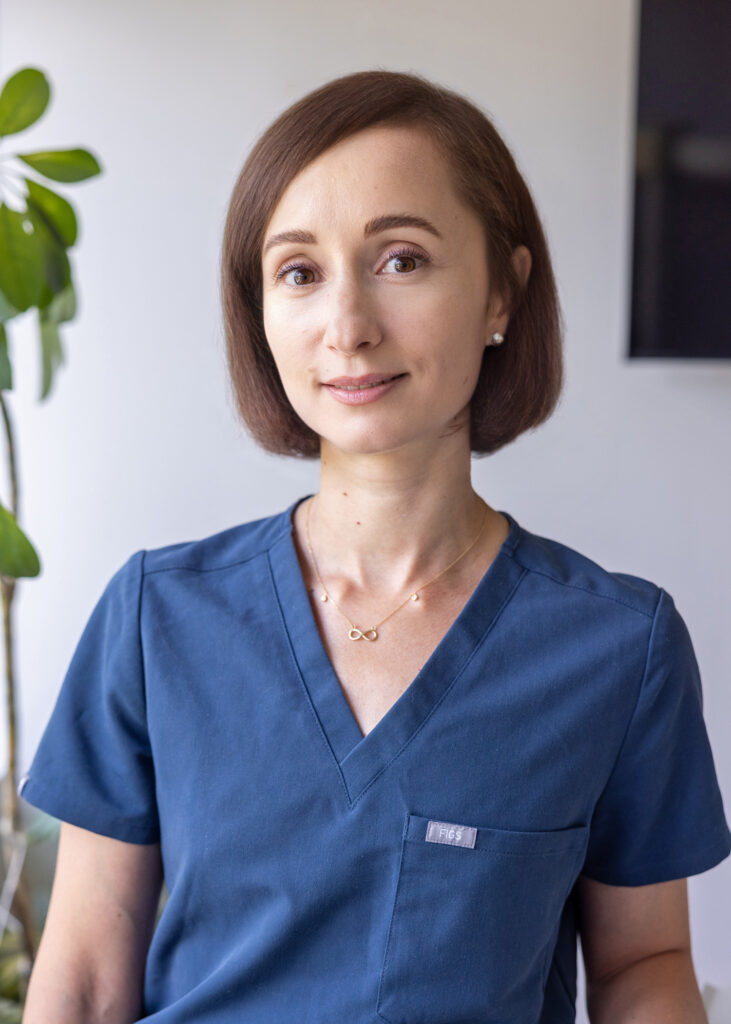
Gum health affects more than your smile. Research shows connections between periodontal disease and systemic conditions, including heart disease and diabetes, making proper gum care essential for overall wellness. Tenafly residents noticing swollen gums, persistent bleeding during brushing, or changes in how their teeth fit together should seek evaluation from a periodontist who can diagnose and treat these conditions effectively.
Advanced Periodontics of N.J. serves Tenafly patients with comprehensive periodontal care addressing disease, tooth loss, and aesthetic concerns. Our practice operates under the leadership of Dr. Peto and Dr. Matei, who bring advanced training and clinical experience to every case. Dr. Matei’s background includes LANAP certification, teaching roles at Columbia University College of Dental Medicine and the University of Pennsylvania School of Dental Medicine, and published research on periodontal regeneration and biomaterials.
How Periodontal Problems Develop
Plaque forms continuously on your teeth, requiring daily removal through brushing and flossing. When this sticky bacterial film remains on teeth, it calcifies into tartar, a hardened deposit that your toothbrush cannot eliminate. Tartar irritates gum tissue, triggering inflammation that your body cannot resolve without professional intervention.
This inflammatory response marks the beginning of gingivitis, where gums appear red, feel tender, and bleed easily. Without treatment, the condition advances to periodontitis. Inflammation extends below the gum line, separating gums from teeth and creating pockets where bacteria accumulate. Your immune system’s attempt to fight this infection inadvertently damages the bone and connective tissue holding teeth in position. According to the American Dental Association, chronic periodontitis affects 47.2% of adults over 30 in the United States and can lead to loss of tissue and bone supporting the teeth. As bone deteriorates, teeth may shift, loosen, or eventually fall out if the disease remains untreated.
Treating Active Periodontal Disease
We tailor treatment to disease severity and individual circumstances. Patients with early to moderate periodontal disease often respond well to scaling and root planing. This non-surgical approach removes bacterial deposits from tooth surfaces below the gum line. We then smooth the root surfaces, making bacterial reattachment more difficult and encouraging gum tissue to heal against the teeth. The procedure typically requires multiple visits, with local anesthesia ensuring comfort throughout.
Advanced cases may require more aggressive intervention. We offer LANAP therapy, which uses laser technology to remove diseased tissue while preserving healthy gums. The laser penetrates periodontal pockets, eliminating bacteria and infected tissue. It also stimulates your body’s healing response, promoting tissue regeneration. Patients generally experience less post-procedure discomfort compared to traditional surgical methods and can resume normal activities sooner. This laser approach provides an effective alternative for many patients requiring more than scaling and root planing.
Severe bone loss sometimes necessitates osseous surgery. This procedure involves accessing the affected bone by temporarily repositioning the gum tissue. We remove bacteria, diseased material, and irregular bone surfaces, creating an environment easier to maintain through regular oral hygiene. The reshaped bone and recontoured gums reduce pocket depth, eliminating spaces where bacteria previously accumulated beyond your cleaning reach.
Implant Solutions for Missing Teeth
Each missing tooth creates functional limitations and accelerates bone loss in the surrounding jaw. The bone supporting teeth requires stimulation from chewing forces to maintain its density and volume. When this stimulation disappears, your body begins resorbing the unused bone tissue. Implants prevent this deterioration by replacing tooth roots with titanium posts that integrate with your jawbone.
Treatment planning begins with detailed imaging, assessing bone quality, quantity, and anatomical structures. Patients with insufficient bone may need grafting to build adequate support for implants. Bone grafting adds material to deficient areas, whether from your own body, processed donor tissue, or synthetic sources. After grafting heals over several months, bone volume reaches levels sufficient for implant placement.
The surgical phase involves positioning implants in precise locations within your jawbone. We perform this procedure using anesthesia or sedation, matching your comfort preferences. Following placement, osseointegration occurs over the next several months as bone cells grow around and fuse with the titanium surface. This biological bonding creates stability comparable to natural tooth roots. Once integration completes, we attach abutments and final restorations, whether individual crowns, bridges spanning multiple teeth, or full arch prosthetics.
Addressing Gum Recession
Receding gums expose tooth roots, creating both functional and aesthetic concerns. Root surfaces lack the protective enamel covering of tooth crowns, making them vulnerable to decay and sensitive to temperature changes. You may experience discomfort when consuming hot coffee or cold beverages. Recession progresses through various causes, including brushing too hard, genetic factors, periodontal disease, or habits like teeth grinding.
Soft tissue grafting rebuilds the gum line by transplanting tissue to areas of recession. We harvest tissue from the roof of your mouth or use processed donor material, then position it over exposed roots. The graft heals in place over several weeks, integrating with existing tissue. This coverage protects vulnerable root surfaces, reduces sensitivity, and creates more uniform gum contours. Post-procedure care includes dietary modifications and gentle oral hygiene during the healing period. Tenafly patients concerned about recession benefit from early intervention before exposure worsens.
Crown lengthening addresses the opposite problem, where excess gum tissue covers too much tooth structure. This condition makes teeth appear short and creates imbalanced proportions. The procedure removes excess tissue and may include bone reshaping to expose appropriate tooth length. Results improve smile aesthetics while maintaining healthy tissue relationships. Healing requires several weeks, though most patients return to regular activities within days.
Schedule Your Tenafly Consultation at Advanced Periodontics of N.J.
Periodontal conditions progress when left unaddressed, making timely evaluation important for preserving your natural teeth and supporting structures. Whether you need treatment for active disease, want to replace missing teeth with implants, or have concerns about gum appearance, we provide care based on current research and clinical evidence. Dr. Peto and Dr. Matei bring extensive credentials to every case, with Dr. Matei’s achievements including a Fulbright Junior Scholarship and recognition as Educator of the Year by the American Academy of Periodontics.
Your initial visit includes a comprehensive periodontal assessment with probing measurements, radiographic imaging, and review of your medical and dental history. This evaluation identifies existing problems and informs customized treatment planning. We offer transparent fee-for-service pricing with various payment options, including financing plans for more complex procedures. Tenafly residents ready to address their periodontal health can contact our office to schedule their consultation.