




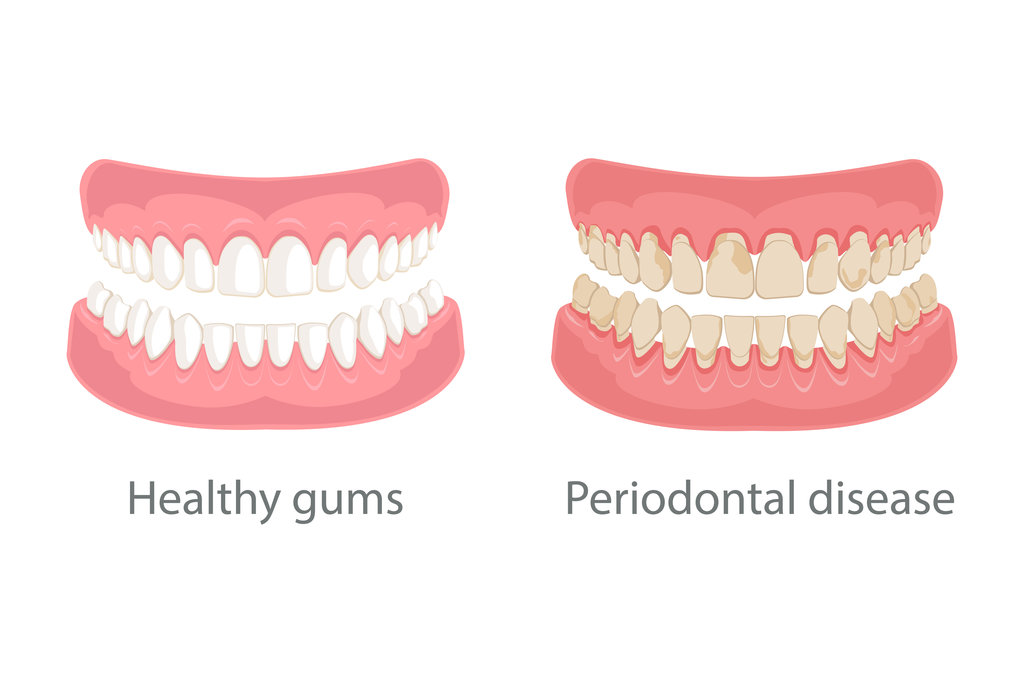


When gum disease threatens your oral health, the choice between seeing a general dentist or a board-certified periodontist can mean the difference between managing symptoms and achieving true periodontal restoration. While general dentists provide essential preventive care and can identify early signs of gum problems, complex periodontal conditions demand the advanced expertise that only years of specialized training can provide.
At Advanced Periodontics of New Jersey, Dr. Marlen Martiroso and Dr. Aura Matei bring the specialized knowledge and clinical experience that comes from dedicated periodontal training. With credentials including faculty positions at prestigious institutions like Columbia University and the University of Pennsylvania, the practice offers patients access to the highest level of periodontal care available in River Edge and surrounding communities. Understanding the distinction between general dental practice and specialized gum disease treatment helps patients make informed decisions about their oral health care, particularly when facing moderate to advanced periodontal conditions.
The Educational Path That Sets Periodontists Apart
General dentists complete four years of dental school, gaining comprehensive knowledge about oral health, preventive care, and common dental procedures. This foundation prepares them to handle routine dental needs, perform cleanings, restore cavities, and identify potential problems requiring specialist referral. Their broad training serves patients well for maintaining overall oral health and addressing common dental concerns.
Periodontists continue their education for an additional three years in an accredited periodontal residency program. According to the American Academy of Periodontology, this specialized training focuses exclusively on the prevention, diagnosis, and treatment of periodontal disease, as well as the placement of dental implants. These programs provide intensive clinical experience in managing complex cases, performing surgical procedures, and utilizing advanced treatment modalities that general practitioners rarely encounter in their practices.
This additional training makes a substantial difference in treatment outcomes. Periodontists develop expertise in recognizing subtle variations in disease progression, understanding how systemic health conditions affect periodontal tissues, and selecting the most appropriate interventions for each patient’s unique situation.
Advanced Procedures That Require Specialized Expertise
The complexity of certain periodontal treatments necessitates the refined skills that specialist training provides. While general dentists can perform basic scaling and root planing for mild gingivitis, advanced periodontal disease often requires interventions beyond the scope of general practice. Periodontal surgery, including flap procedures to reduce pocket depth and access diseased tissue, demands precise surgical technique and comprehensive understanding of periodontal anatomy.
Regenerative procedures represent another area where specialist training proves essential. Guided tissue regeneration and bone grafting require knowledge of biomaterials, healing processes, and surgical protocols that periodontists master during their residency training. These procedures aim to restore bone and tissue lost to periodontal disease, outcomes that depend heavily on proper technique and post-operative management.
Soft tissue grafting procedures, used to treat gum recession and protect exposed tooth roots, showcase the surgical precision periodontists develop through specialized training. The techniques require careful tissue handling, meticulous suturing, and understanding of healing dynamics that come only through dedicated periodontal education and clinical experience.
Diagnostic Capabilities and Treatment Planning Expertise
Accurate diagnosis forms the foundation of effective periodontal treatment. While general dentists can identify obvious signs of gum disease during routine examinations, periodontists possess advanced diagnostic skills that detect subtle indicators of disease progression. They understand how to interpret periodontal probing depths, assess attachment loss patterns, and recognize risk factors that may not be apparent to practitioners without specialized training.
Treatment planning for complex periodontal cases requires integrating multiple factors including disease severity, patient health status, treatment goals, and long-term prognosis. Periodontists evaluate these variables through the lens of their specialized education, allowing them to develop comprehensive treatment plans that address both immediate concerns and future periodontal health.
Technology and Technique Mastery Through Focused Training
Modern periodontal care incorporates advanced technologies that require specialized knowledge to utilize effectively. Laser dentistry represents one such advancement, offering minimally invasive treatment options for certain periodontal conditions. Periodontists receive specific training in laser applications, understanding which cases benefit from this technology and how to optimize treatment parameters for different clinical situations.
Implant dentistry has become integral to periodontal practice, as periodontists frequently place dental implants to replace teeth lost to periodontal disease. Their training encompasses implant surgery techniques, bone augmentation procedures, and management of peri-implant tissues. This expertise ensures proper implant placement, adequate bone support, and long-term implant success.
Advanced imaging technologies, including cone beam computed tomography, provide detailed three-dimensional views of periodontal structures. Periodontists learn to interpret these images during their residency training, using the information to plan surgical approaches, assess bone quality, and identify anatomical considerations that impact treatment.
The Value of Experience in Managing Complex Cases
Clinical experience accumulated through residency training exposes periodontists to a wide variety of periodontal conditions, from straightforward cases to highly complex situations. This breadth of experience develops clinical judgment that proves invaluable when treating patients with unusual presentations or multiple complicating factors.
Periodontists also develop expertise in managing patients with compromised health status, understanding how conditions like cardiovascular disease, autoimmune disorders, and bleeding disorders affect periodontal treatment. Their training prepares them to modify treatment approaches, coordinate care with physicians, and navigate the medical complexities that can impact periodontal procedures and healing.
Choose Board-Certified Expertise at Advanced Periodontics of New Jersey
When facing gum disease, selecting a provider with appropriate training and expertise directly impacts your treatment experience and long-term results. The team at Advanced Periodontics of New Jersey brings specialized knowledge from advanced periodontal education and years of clinical experience treating complex periodontal conditions. Dr. Matei’s background as an ITI Scholar with training in Switzerland and faculty positions at leading dental schools reflects the commitment to excellence that defines the practice.
The practice offers comprehensive periodontal services delivered with the precision and competence that specialist training provides. Contact the office today to schedule your consultation and experience the difference that board-certified periodontal expertise makes in achieving and maintaining optimal gum health.