


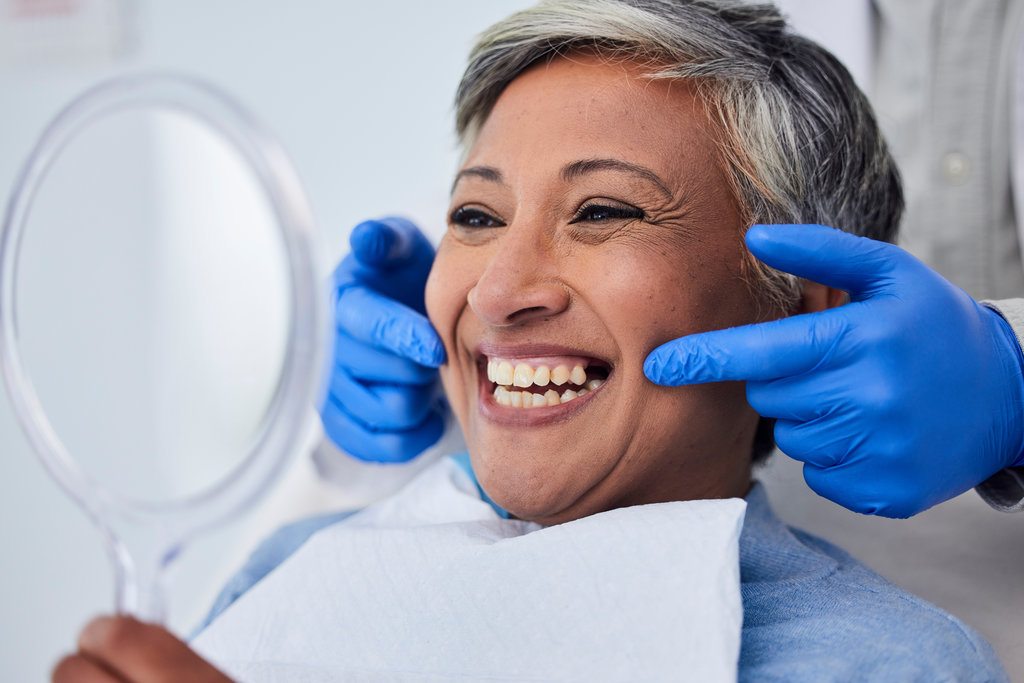
Your gums tell the story of your health. After decades of meals, conversations, and smiles, the tissues supporting your teeth face new challenges as you age. But healthy gums in your 60s, 70s, and beyond aren’t just about luck or genetics. They’re about understanding how aging affects your mouth and taking specific steps to protect your periodontal health.
Gum disease affects nearly 70% of adults over 65, yet it’s largely preventable with the right care. At Advanced Periodontics of NJ, we help seniors maintain strong, healthy gums through personalized periodontal care that addresses the unique needs of older adults.
Why Gum Health Changes as You Age
Your mouth doesn’t age in isolation. It reflects broader changes happening throughout your body. Saliva production naturally decreases with age, and many medications worsen this dry mouth effect. Without adequate saliva to wash away bacteria and neutralize acids, your gums become more vulnerable to infection.
Your immune system weakens over time, making it harder to fight off the bacteria causing periodontal disease. Chronic conditions like diabetes and heart disease create additional risk factors. Even arthritis in your hands can make thorough brushing and flossing more difficult, allowing plaque to build up along the gum line.
Years of wear also matter. Old fillings may develop gaps where bacteria hide. Previous gum recession exposes root surfaces that lack the protective enamel covering the crown of your tooth. These exposed roots are more prone to decay and sensitivity. For a fuller picture of how these risks build over time, our guide on gum disease in seniors covers the specific factors that raise risk with age.
Daily Habits That Protect Your Gums
Good gum health starts with consistent daily care. Brush twice a day with a soft-bristled toothbrush and fluoride toothpaste. If arthritis makes gripping difficult, an electric toothbrush with a larger handle can help. Hold the brush at a 45-degree angle to your gum line and use gentle circular motions.
Flossing remains critical, even if it’s become harder to manage. If traditional floss is challenging, try interdental brushes, floss picks, or a water flosser. These tools effectively remove plaque and food particles from between teeth where your toothbrush can’t reach. The American Dental Association recommends flossing at least once daily to prevent gum disease.
Stay hydrated throughout the day. Water helps rinse away food particles and bacteria while stimulating saliva production. If you experience persistent dry mouth, talk to your doctor about medication alternatives or use saliva substitutes. Sugar-free gum can also encourage saliva flow.
Caring for Gums If You Wear Dentures or Partial Dentures
Dentures and partial dentures do not eliminate the need for gum care. Food particles and bacteria can still collect along the gumline underneath a removable appliance, and ill-fitting dentures can rub against soft tissue and cause irritation or sores. Remove dentures nightly to let your gums rest, clean both the appliance and your gums daily with a soft brush, and have your dentures checked periodically, since bone and gum tissue change shape over time and a denture that fit well a few years ago may no longer sit properly.
How Medical Conditions Affect Your Gums
Diabetes significantly increases periodontal disease risk. High blood sugar levels damage blood vessels in your gums, reducing blood flow and making infections harder to heal. If you have diabetes, maintaining good blood sugar control helps protect your gums.
Heart disease and gum disease often appear together. Bacteria from periodontal infections can enter your bloodstream and affect your cardiovascular system. This connection makes periodontal care an important part of heart health management, and our overview of how periodontal health affects overall health in older adults goes into more depth on these systemic links.
Osteoporosis affects more than your hips and spine. It can weaken the jawbone supporting your teeth, making them more susceptible to loosening when gum disease develops. If you have osteoporosis, regular periodontal checkups become even more important.
Medications That Impact Oral Health
Many common medications reduce saliva production:
- Blood pressure medications: Diuretics and ACE inhibitors often cause dry mouth, increasing cavity and gum disease risk.
- Antidepressants: Both older and newer antidepressants can significantly reduce saliva flow and affect your ability to taste food.
- Antihistamines: These medications dry out mucous membranes throughout your body, including your mouth.
Review your medications with your doctor. Sometimes alternatives with fewer dry mouth side effects are available. When medication changes aren’t possible, extra attention to oral hygiene and hydration becomes essential.
The Role of Nutrition in Protecting Aging Gums
What you eat affects your gums as much as how you brush. Diets low in vitamin C and calcium have been associated with weaker gum tissue and slower healing, while foods high in added sugar feed the bacteria that cause inflammation. Favoring whole foods, calcium-rich dairy or fortified alternatives, and crunchy fruits and vegetables that naturally help clean the teeth as you chew can support gum tissue alongside your daily hygiene routine.
Professional Periodontal Care Makes the Difference
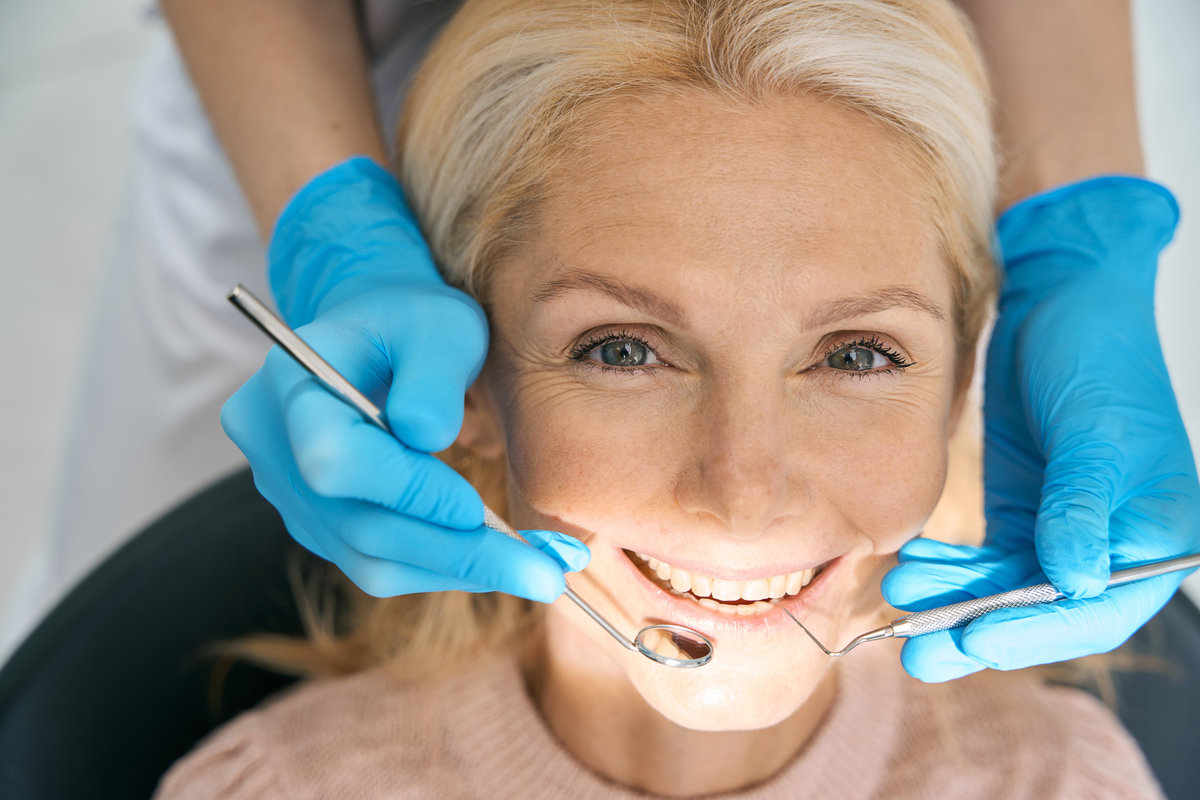
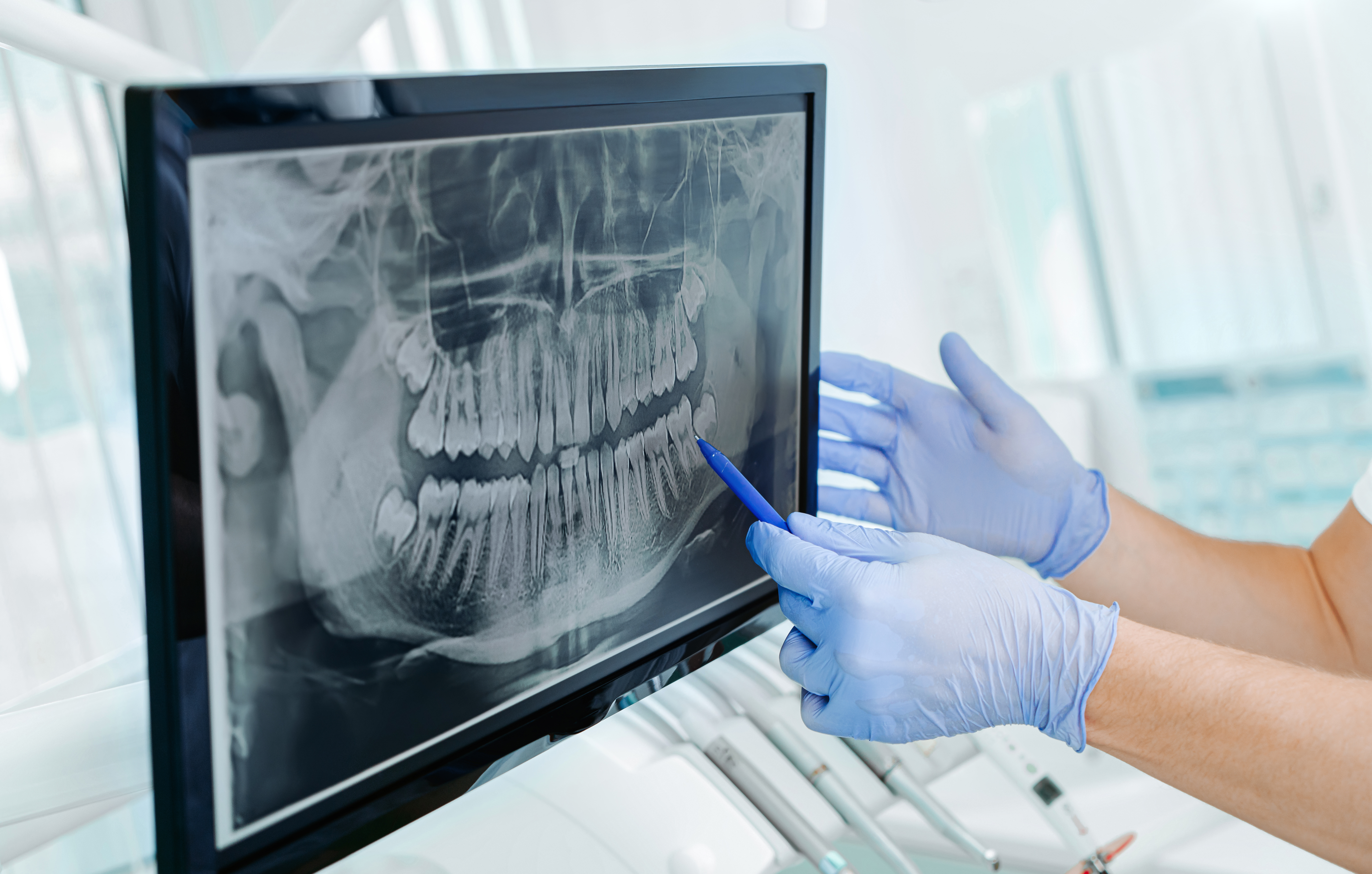
Home care alone can’t remove hardened tartar below the gum line. Professional cleanings every six months remove this buildup before it causes damage. Your dentist or periodontist can spot early signs of gum disease before you notice symptoms.
Some seniors need more frequent visits. If you have gum disease, diabetes, or other risk factors, your periodontist might recommend cleanings every three to four months. These maintenance visits help keep gum disease under control and prevent tooth loss.
Professional care also includes oral cancer screenings. Your risk for oral cancer increases with age, making regular examinations important for early detection.
Protect Your Gums at Advanced Periodontics of NJ
At Advanced Periodontics of NJ, Dr. David Peto provides comprehensive periodontal care designed for seniors. Dr. Peto is a Diplomate of the American Board of Periodontology and former clinical instructor at UCLA, bringing an evidence-based approach to every treatment. Our team addresses the specific challenges older adults face, from managing dry mouth to treating advanced gum disease with gentle, effective techniques.
Whether you need routine maintenance or treatment for existing gum problems, we create personalized care plans that fit your health needs and lifestyle. Contact us today to schedule a periodontal evaluation and take the next step toward maintaining healthy gums throughout your golden years.
Frequently Asked Questions About Gum Health for Seniors
Why do gums become more vulnerable to disease as people age?
Saliva production naturally decreases with age, the immune system weakens, and years of wear on fillings and gum tissue create more places for bacteria to collect. Chronic conditions such as diabetes and heart disease, along with medications that cause dry mouth, add further risk on top of these natural changes.
Can dry mouth from medication be managed without stopping the medication?
Often, yes. Staying hydrated, using saliva substitutes, and chewing sugar-free gum can help offset dry mouth. It is also worth reviewing your medications with your doctor, since some alternatives cause less dry mouth, but any medication change should go through your physician rather than being adjusted on your own.
How does wearing dentures affect gum health?
Dentures do not remove the need for gum care. Bacteria and food particles can still collect underneath a removable appliance, and a denture that no longer fits well can irritate the gum tissue. Removing dentures nightly, cleaning the gums daily, and having the fit checked periodically all help protect the tissue underneath.
How often should seniors have a periodontal checkup?
Most seniors benefit from professional cleanings every six months. Those with gum disease, diabetes, or other risk factors are often better served by more frequent visits, sometimes every three to four months, to keep inflammation controlled and catch changes early.
Can gum disease in seniors be reversed?
Early gum inflammation is often reversible with improved home care and professional cleanings. Once gum disease has progressed further, treatment typically focuses on controlling the condition and preventing further tissue and bone loss rather than fully reversing existing damage, which makes early detection especially valuable.