





A general dentist and a board-certified periodontist both play a role in gum health, but they are not interchangeable once periodontal disease becomes moderate to severe. A general dentist completes four years of dental school and is well equipped to catch early gum problems during a routine cleaning, while a periodontist completes an additional two to three years of residency training focused exclusively on the gums, the jawbone, and the tissues that support the teeth. That additional training is what allows a periodontist to diagnose and treat advanced periodontal disease, place dental implants, and perform surgical procedures that fall outside the scope of general practice.
At Advanced Periodontics of New Jersey, Dr. David Peto brings this level of specialized training to patients throughout River Edge and the surrounding Bergen County communities. His credentials include Diplomate status with the American Board of Periodontology, LANAP certification, and a former clinical instructor role at UCLA, giving patients access to a depth of periodontal knowledge that goes well beyond a typical dental office visit. Understanding the distinction between general dental care and specialized gum disease treatment helps patients make informed decisions, particularly once symptoms progress beyond the earliest stage of gum disease.
The Educational Path That Sets Periodontists Apart
General dentists complete four years of dental school, gaining comprehensive knowledge of oral health, preventive care, and common dental procedures. This foundation prepares them to handle routine dental needs, perform cleanings, restore cavities, and identify potential problems that may call for a referral to a specialist. Their broad training serves patients well for maintaining overall oral health and addressing common dental concerns.
Periodontists continue their education for an additional two to three years in an accredited periodontal residency program. According to the American Academy of Periodontology, this specialized training focuses exclusively on the prevention, diagnosis, and treatment of periodontal disease, as well as the placement of dental implants. These programs provide intensive clinical experience managing complex cases, performing surgical procedures, and using advanced treatment methods that general practitioners rarely encounter in day-to-day practice.
This additional training makes a substantial difference in treatment outcomes. Periodontists develop skill in recognizing subtle variations in disease progression, understanding how systemic health conditions affect periodontal tissue, and selecting the most appropriate intervention for each patient’s unique situation.
Signs and Symptoms That Indicate You May Need a Periodontist
Gum disease often develops quietly, and many patients do not realize a referral to a specialist is warranted until symptoms have already progressed. Recognizing the warning signs early can help you get the right level of care before the condition advances further.
- Bleeding gums: Gums that bleed regularly during brushing or flossing are rarely normal and often signal inflammation beneath the gum line.
- Gum recession: Teeth that appear longer than they used to may indicate that gum tissue has pulled away from the tooth root.
- Loose or shifting teeth: Movement in your bite can point to bone loss around the roots, a hallmark of advancing periodontal disease.
- Persistent bad breath: Odor that does not resolve with brushing or mouthwash can be caused by bacteria trapped deep below the gum line.
- Pain when chewing: Discomfort while eating can signal infection or inflammation around the roots of the teeth.
If you notice one or more of these signs you might need a periodontist, scheduling a periodontal evaluation sooner rather than later can help prevent more extensive treatment down the road.
How Gum Disease Progresses From Gingivitis to Periodontitis
Understanding the stages of gum disease helps clarify why a general dentist manages some cases while others call for a specialist. Gingivitis, the earliest stage, causes red and swollen gums that bleed easily but has not yet caused bone loss. At this stage, a general dentist can usually reverse the condition with a professional cleaning and improved home care.
Left untreated, gingivitis can progress into periodontitis, a stage where the gums pull away from the teeth, deep pockets form below the gum line, and the supporting bone begins to break down. According to the Centers for Disease Control and Prevention, an estimated 42 percent of adults age 30 and older have some form of periodontal disease, and close to 8 percent have a severe form of it. Once the disease reaches this stage, treating chronic gum disease typically requires the surgical and regenerative techniques that periodontal residency training provides.
Advanced Procedures That Require Specialized Expertise
The complexity of certain periodontal treatments requires the refined skills that specialist training provides. While general dentists can perform basic scaling and root planing for mild gingivitis, advanced periodontal disease often calls for interventions beyond the scope of general practice. Periodontal surgery, including flap procedures that reduce pocket depth and give access to diseased tissue beneath the gum line, demands precise surgical technique and a thorough understanding of periodontal anatomy.
Regenerative procedures represent another area where specialist training proves essential. Guided tissue regeneration and bone grafting require knowledge of biomaterials, healing processes, and surgical protocols that periodontists master during residency training. These procedures aim to restore bone and tissue lost to periodontal disease, and the outcome depends heavily on proper technique and post-operative management.
Soft tissue grafting, used to treat gum recession and protect exposed tooth roots, showcases the surgical precision periodontists develop through specialized training. In more involved cases, periodontists may also perform surgical crown lengthening to expose enough healthy tooth structure for a restoration to fit properly, a procedure that requires careful management of both gum and bone tissue.
Diagnostic Capabilities and Treatment Planning Expertise
Accurate diagnosis forms the foundation of effective periodontal treatment. While general dentists can identify obvious signs of gum disease during a routine exam, periodontists possess advanced diagnostic skills that detect subtler indicators of disease progression. They know how to interpret periodontal probing depths, assess patterns of attachment loss, and recognize risk factors that may not be apparent to a practitioner without specialized training.
Treatment planning for complex periodontal cases requires weighing multiple factors, including disease severity, overall health status, treatment goals, and long-term prognosis. Periodontists evaluate these variables through the lens of their specialized education, which allows them to build comprehensive treatment plans that address both immediate concerns and future periodontal health.
Technology and Technique Mastery Through Focused Training
Modern periodontal care incorporates technology that requires specialized knowledge to use effectively. Laser dentistry is one such advancement, offering a minimally invasive treatment option for certain periodontal conditions. Periodontists receive specific training in laser applications, including which cases benefit from the technology and how to adjust treatment parameters for different clinical situations.
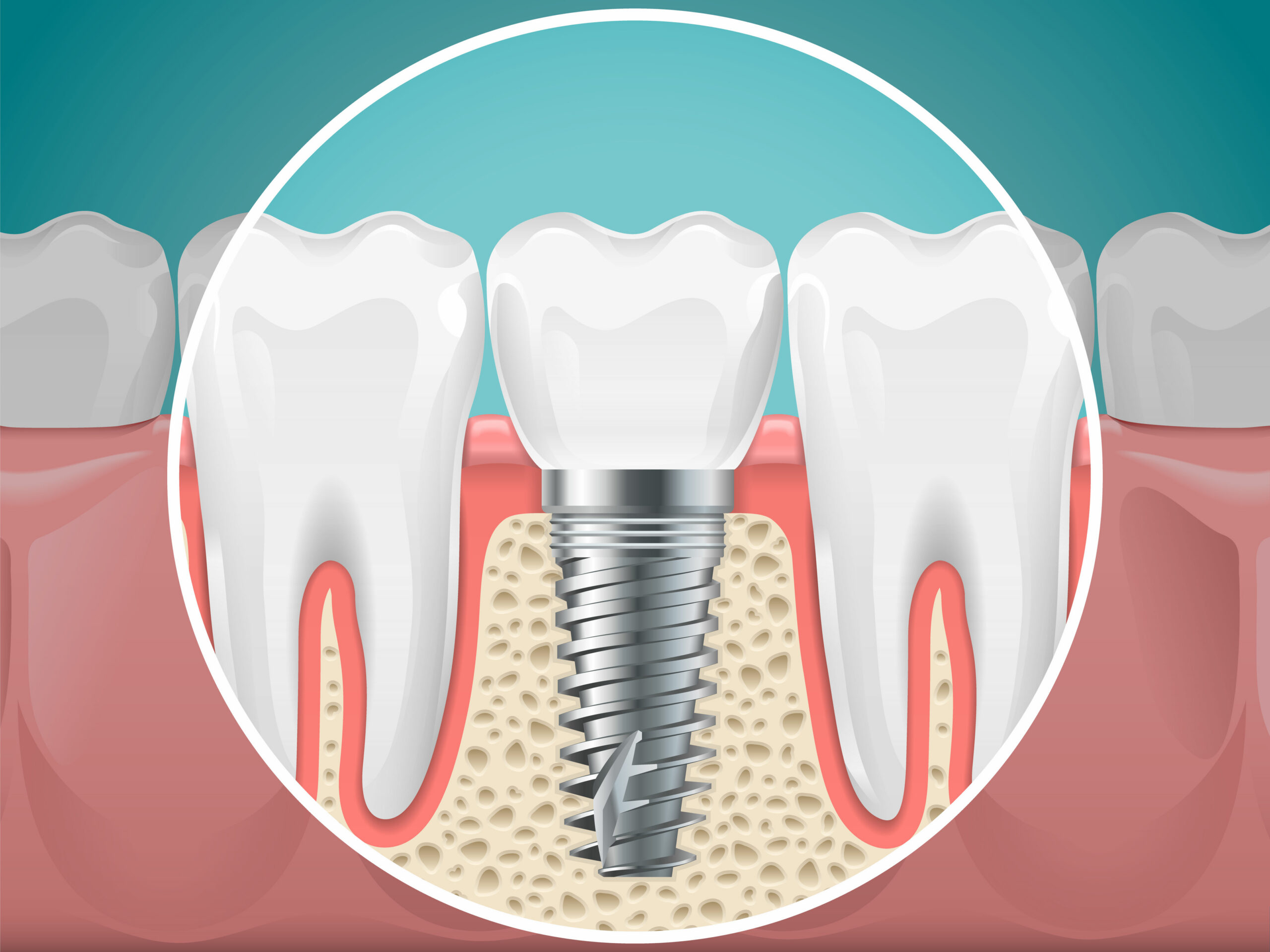
Implant dentistry has become central to periodontal practice, since periodontists frequently place dental implants to replace teeth lost to periodontal disease. Their training covers implant surgery technique, bone augmentation, and the ongoing management of the tissue around an implant, which helps ensure proper placement, adequate bone support, and long-term implant success.
Advanced imaging, including cone beam computed tomography, provides a detailed three-dimensional view of periodontal structures. Periodontists learn to interpret these images during residency training and use the information to plan surgical approaches, assess bone quality, and identify anatomical considerations that affect treatment.
Periodontal Health and Your Overall Wellbeing
Clinical experience gained through residency training exposes periodontists to a wide range of periodontal conditions, from straightforward cases to complex, multi-factor presentations. That breadth of experience builds the clinical judgment that becomes valuable when treating patients with unusual symptoms or several complicating health factors at once.
Periodontists also develop skill managing patients with compromised health, understanding how conditions such as diabetes, cardiovascular disease, and autoimmune disorders can affect periodontal tissue and healing. Their training prepares them to adjust treatment approaches, coordinate care with a patient’s physician, and account for the medical complexities that can influence periodontal procedures and recovery. Because periodontal health is closely connected to overall health, addressing gum disease early can support broader wellness goals in addition to a healthy smile.
Choose Board-Certified Expertise at Advanced Periodontics of New Jersey
When facing gum disease, choosing a provider with the appropriate training and background directly affects your treatment experience and long-term results. The team at Advanced Periodontics of New Jersey brings specialized knowledge from advanced periodontal education and years of clinical experience treating complex periodontal conditions. Dr. Peto’s background as a Diplomate of the American Board of Periodontology, a former clinical instructor at UCLA, and a published researcher reflects the standard of care that defines the practice.
The practice offers a full range of periodontal services delivered with the precision that comes from specialist training, from early gum disease management to advanced surgical and implant care. Contact the office today to schedule a consultation and find out how board-certified periodontal expertise can support your long-term gum health.
Frequently Asked Questions About Periodontist vs. General Dentist Care
What Is the Difference Between a Periodontist and a General Dentist?
A general dentist completes four years of dental school and provides preventive and restorative care, including cleanings, fillings, and routine gum disease screening. A periodontist completes that same dental education and then trains for an additional two to three years exclusively in the prevention, diagnosis, and treatment of gum disease and the surgical placement of dental implants. General dentists are well suited to everyday oral health needs, while periodontists are trained to manage moderate to advanced gum disease and complex surgical procedures.
When Should I See a Periodontist Instead of My General Dentist?
Consider a periodontal evaluation if you notice bleeding gums, gum recession, loose or shifting teeth, persistent bad breath, or pain when chewing, since these can signal that gum disease has progressed beyond what routine dental care addresses. A periodontal evaluation is also worthwhile if you have a family history of gum disease, are considering dental implants, or have a health condition, such as diabetes, that increases your risk of periodontal problems.
Can a General Dentist Treat Gum Disease, or Do I Need a Specialist?
General dentists can treat early gingivitis effectively with professional cleanings and improved home care. Once gum disease reaches a moderate or severe stage, called periodontitis, treatment typically requires the surgical and regenerative techniques that a periodontist’s residency training provides. Many patients continue seeing both a general dentist for routine care and a periodontist for specialized periodontal treatment at the same time.
What Happens During a First Visit With a Periodontist?
A first periodontal visit typically begins with a review of your dental and medical history, followed by a thorough examination of your gums, teeth, and jawbone. The periodontist measures pocket depths around each tooth and may use digital imaging to assess the level of supporting bone. After the evaluation, the periodontist explains the findings in plain language and outlines a personalized treatment plan based on the severity of the condition.
Does Choosing a Board-Certified Periodontist Matter for Dental Implants?
Yes, successful dental implants depend on healthy gum tissue and adequate supporting bone, both of which are the focus of a periodontist’s specialized training. A board-certified periodontist is trained in bone grafting, implant surgery technique, and the long-term management of the tissue around an implant, which can reduce the risk of complications and support the long-term success of the implant.