





If your dentist has recommended a crown lengthening procedure, you may be wondering what that actually means for you and your smile. Crown lengthening is a periodontal surgical procedure in which gum tissue and, in some cases, bone is repositioned to expose more of the tooth’s surface. It can be performed for functional reasons, such as making a tooth accessible for a restoration, or for cosmetic reasons, such as correcting a “gummy” smile. Understanding the indications can help you feel confident moving forward with your care.
At Advanced Periodontics of N.J., our periodontists offer crown lengthening as part of a comprehensive range of periodontal services designed to support both your oral health and the long-term success of your restorations. Whether you are preparing for a dental crown, addressing decay beneath the gum line, or seeking to improve your smile’s appearance, we evaluate your situation thoroughly and walk you through every step of the process.
What Crown Lengthening Actually Does
Crown lengthening works by surgically adjusting the gum tissue and sometimes the surrounding bone so that more of the natural tooth structure is visible above the gum line. According to a comprehensive review published by the National Institutes of Health, crown lengthening is indicated to address restorative needs, increase clinical crown height, access subgingival caries or perforations, and relocate restoration margins. The procedure falls into two categories based on its purpose.
Functional Crown Lengthening
Functional crown lengthening is performed when there is a clinical need to access more tooth structure for restorative work. When decay or a fracture extends below the gum line, a restoration cannot be properly placed without first exposing enough of the healthy tooth area to anchor it. This also protects the biologic width, the natural band of soft tissue and bone attachment surrounding every tooth, which can be disrupted during restorations and lead to inflammation or bone loss over time.
Cosmetic Crown Lengthening
Cosmetic crown lengthening, by contrast, corrects the appearance of a “gummy” smile by revealing more of the natural tooth surface. This condition is often caused by delayed passive eruption, where the gum tissue did not recede to its appropriate position as permanent teeth developed.
Many patients exploring cosmetic options like gingivectomy are surprised to learn just how much their smile can improve through a relatively straightforward procedure.
What to Expect During and After the Procedure
Crown lengthening is performed under local anesthesia, so discomfort during the procedure itself is minimal. Your periodontist will reposition the gum tissue apically and, in some cases, reshape a small amount of bone to create the appropriate space between the bone level and the future restoration margin. The area is then sutured, and healing begins.
Recovery involves some tenderness and swelling in the days that follow, which can typically be managed with over-the-counter pain relief and attentive oral hygiene. Your provider may recommend waiting several weeks before placing a final restoration, allowing tissue to stabilize fully. This healing period mirrors what patients experience following recession treatment, and your periodontist will monitor your tissue closely throughout. In fact, some of the same tissue-level changes that make a tooth prone to gum recession can also affect how much tooth structure is available for a restoration, which is why both concerns are often evaluated together.
Who Is a Candidate for Crown Lengthening?
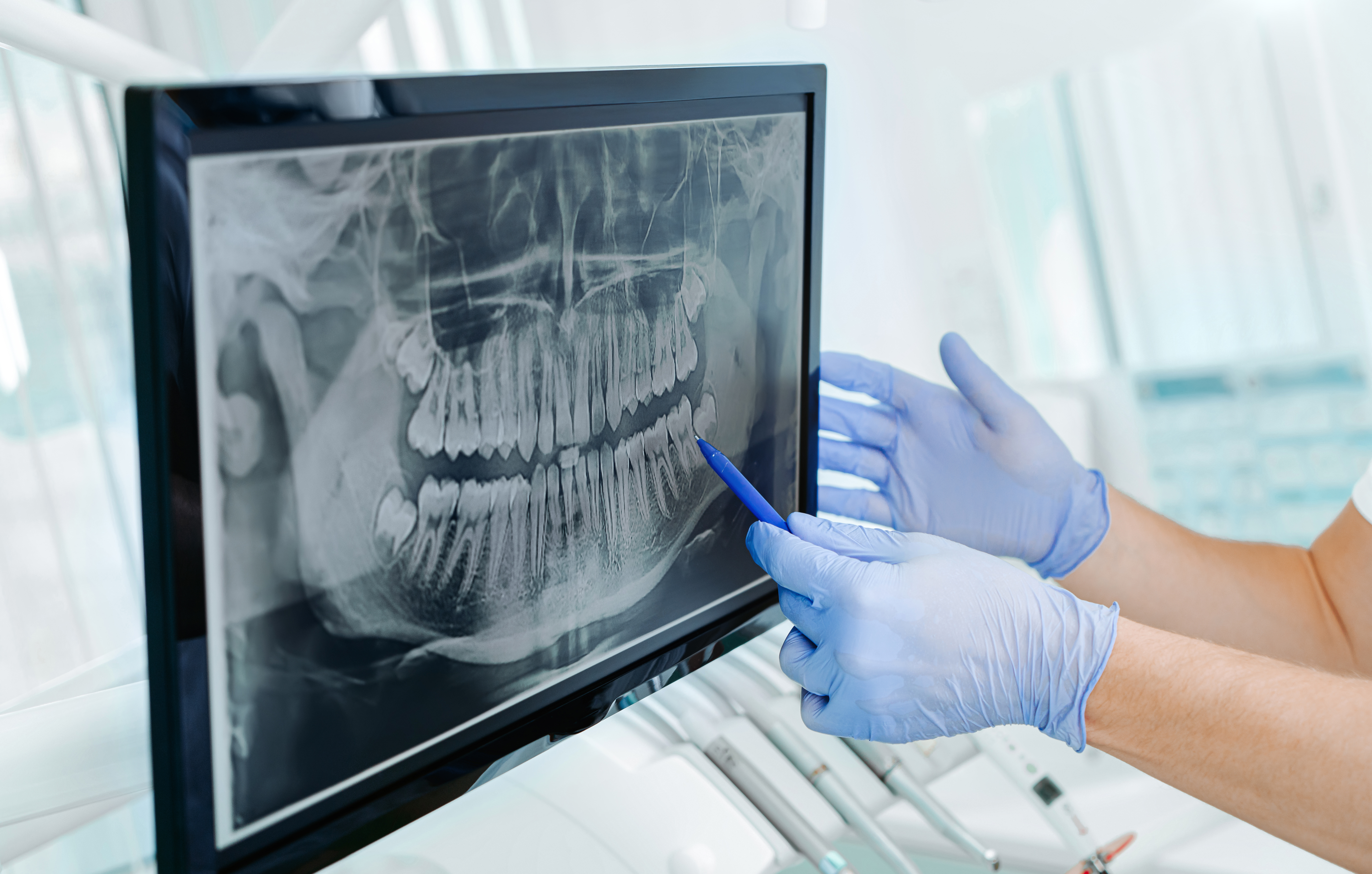
Several situations make crown lengthening the recommended choice for care. You may be a candidate if a tooth has broken near or below the gum line, if decay has extended beneath the gums, if clean restoration margins are not achievable, or if your smile displays excess gum tissue. Your periodontist will take X-rays and complete a clinical examination to determine whether the procedure fits your specific anatomy and goals.
The following situations commonly indicate a need for crown lengthening:
- Subgingival fracture or decay: The tooth structure extends below the gum line and cannot be properly restored without surgical exposure.
- Insufficient tooth structure: There is not enough natural crown to anchor a restoration securely.
- Gummy smile: Excess gum tissue covers too much of the tooth surface and affects appearance.
Crown lengthening is often one part of a broader treatment plan coordinated between your periodontist and your restorative dentist. Clear communication between providers is essential to achieving a result that is both functional and visually pleasing.
Cost and Insurance Considerations
Because crown lengthening is often required before a crown, bridge, or other restoration can be placed correctly, many dental insurance plans classify it as a medically necessary procedure rather than a purely cosmetic one, which can mean partial coverage when it is performed for functional reasons. Cosmetic crown lengthening to address a gummy smile is more often treated as an elective procedure and covered differently. Our team can review your specific plan and help you understand what to expect before treatment begins, similar to how we walk patients through dental implant costs and financing options.
Frequently Asked Questions About Crown Lengthening
Is crown lengthening painful?
The procedure itself is performed under local anesthesia, so discomfort during treatment is minimal. Mild soreness and swelling afterward are normal and typically manageable with over-the-counter pain relief.
How long is recovery after crown lengthening?
Initial healing takes about one to two weeks, but your periodontist may recommend waiting several weeks longer before placing a final restoration to allow the tissue to fully stabilize.
Will crown lengthening change how my smile looks?
Yes, to some degree, since it exposes more natural tooth structure. For functional cases this change is usually subtle, while cosmetic crown lengthening for a gummy smile is designed specifically to create a more balanced, proportional smile line.
Choose Advanced Periodontics of N.J.
At Advanced Periodontics of N.J., our team includes Dr. Matei and Dr. Peto, who together bring a research-driven, patient-centered approach to every procedure. Dr. Matei completed her Certificate in Periodontics and Implant Dentistry at NYU College of Dentistry, trained as an ITI Scholar in Switzerland, and has served on faculty at Columbia University College of Dental Medicine and the University of Pennsylvania School of Dental Medicine. She is also a LANAP certified clinician and recipient of the 2022 Educator Award for Excellence in Teaching and Mentoring in Periodontics from the American Academy of Periodontics. You can learn more about our team and our approach on our website.
If you have been told you may need crown lengthening, or if you are curious whether this procedure might address a concern about your teeth or gums, we invite you to take the next step. Reach out through our contact form to schedule a consultation and receive a thorough evaluation of your periodontal health.