


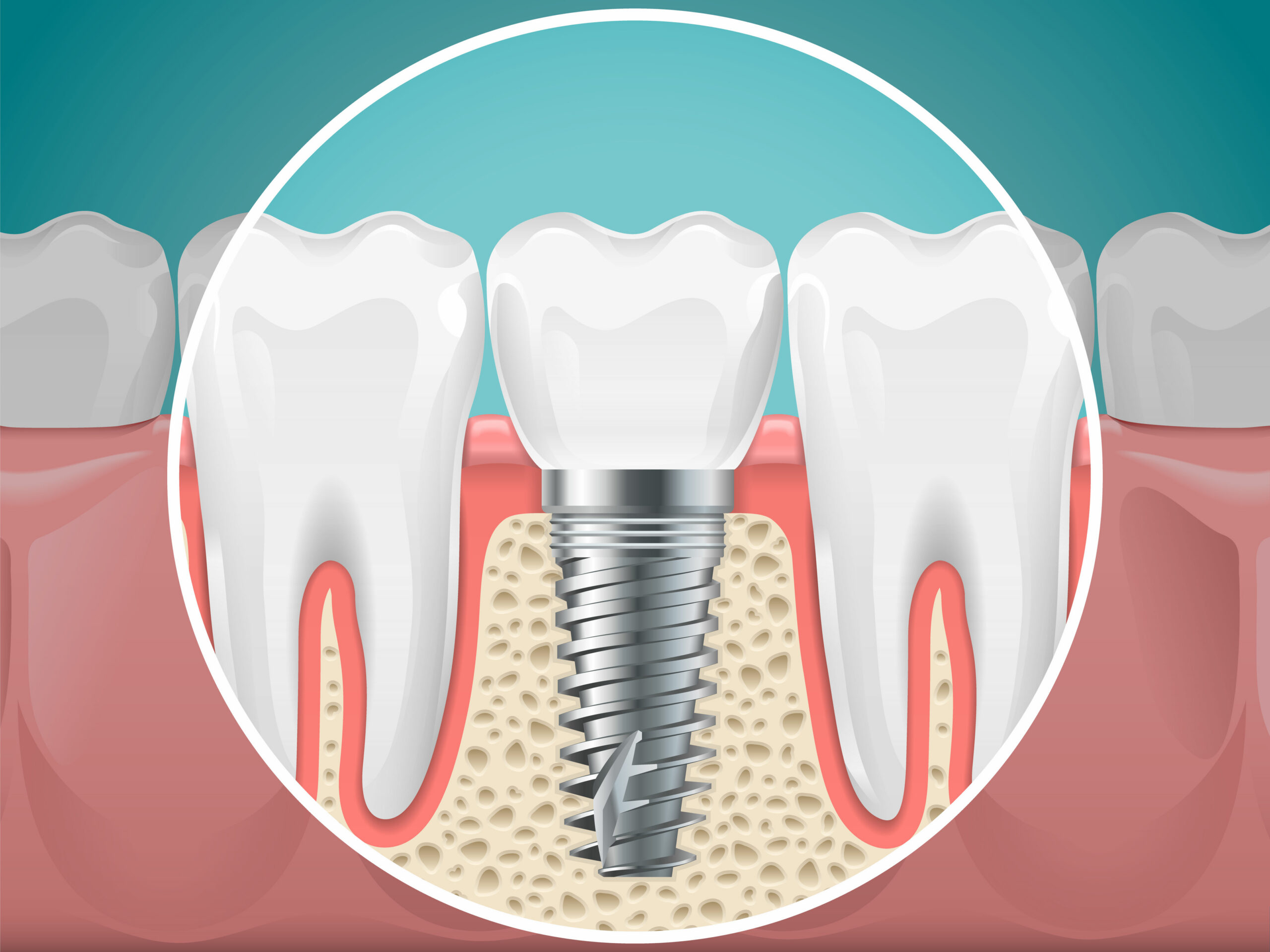

Dental implants are one of the most reliable solutions for replacing missing teeth, but they are not entirely without risk. When an implant begins to fail, the consequences can range from discomfort and bone loss to complete implant removal. Understanding the warning signs of dental implant failure and how to prevent it can make the difference between a long-lasting restoration and a costly setback.
At Advanced Periodontics of N.J., our board-certified periodontists, Dr. Peto and Dr. Matei, specialize in the placement, monitoring, and rescue of dental implants throughout New Jersey. Dr. Matei’s advanced training as an ITI Scholar in Switzerland and her faculty appointments at Columbia University and the University of Pennsylvania School of Dental Medicine reflect the level of expertise we bring to every patient. If you have implants or are considering them, you are in the right place.
How Common Is Dental Implant Failure?
Dental implants have one of the highest long-term success rates of any restorative dental procedure, generally cited in the 95-98% range over ten years or more when patients are properly screened and follow post-placement care. That still leaves a meaningful minority of cases where failure occurs, which is exactly why understanding the warning signs matters. Knowing what a healthy, well-integrated implant should look and feel like makes it much easier to notice when something is off, before a minor issue becomes a major one, and helps put the investment you make in dental implants on the strongest possible footing.
What Are the Warning Signs of Dental Implant Failure?
Recognizing the early warning signs of a failing implant is essential for quick intervention. Some symptoms are subtle at first but become more serious if left untreated.
Pain and Discomfort After Healing
A small amount of soreness is normal in the days following implant surgery, but pain that persists or develops weeks or months later is not. Ongoing aching, throbbing, or sensitivity around the implant site may indicate that the implant is not properly integrating with the jawbone, a process known as osseointegration.
Swelling, Redness, or Bleeding Around the Implant
Healthy implant tissue should look similar to natural gum tissue. Redness, inflammation, or bleeding that persists beyond the initial recovery period can signal peri-implantitis, a form of chronic gum disease that affects the tissue and bone surrounding an implant. Left untreated, peri-implantitis is one of the most common causes of late implant failure.
Implant Movement or Looseness
A properly integrated dental implant should feel completely stable. If you notice any movement or shifting when biting or chewing, this is a serious warning sign. Movement typically indicates that osseointegration has failed or that significant bone loss has occurred around the implant site.
What Causes Dental Implants to Fail?
Implant failure can be divided into two categories: early failure, which occurs before the implant fully integrates with the bone, and late failure, which develops after the implant has been in place for some time. According to a peer-reviewed review published in Cureus, risk factors for implant failure include uncontrolled systemic conditions, poor bone quality, smoking, and inadequate oral hygiene. Understanding these risk factors before and after treatment is essential.
Poor bone density is a particularly common culprit in early failure, as the implant needs sufficient bone to anchor and integrate properly. This is why procedures like bone and sinus grafting are sometimes performed before implant placement to ensure an ideal foundation. This is also a common consideration for older adults; our overview of dental implants for seniors covers how age-related bone density changes are evaluated and managed. Pre-existing failing dental implants that were placed without thorough evaluation are also a frequent reason patients seek corrective care.
How Can You Prevent Dental Implant Failure?
Prevention is far more manageable than treatment after the fact. Most cases of implant failure are avoidable with the right approach before and after surgery.
Commit to Thorough Oral Hygiene
Brushing twice daily, flossing, and using an antimicrobial rinse help prevent bacterial buildup around the implant site. Peri-implantitis is largely a bacterial infection, and consistent home care dramatically reduces the risk.
Attend All Follow-up Appointments
Regular monitoring allows your periodontist to catch early signs of complications before they become serious. Our team emphasizes post-implant care as a critical part of every implant patient’s long-term success plan.
Avoid Smoking and Manage Health Conditions
Smoking significantly impairs circulation and the body’s healing capacity, directly undermining osseointegration. Similarly, conditions like diabetes can affect tissue healing and bone metabolism. Managing these factors before and during implant treatment helps protect your investment.
Frequently Asked Questions About Dental Implant Failure
Can a failing implant be saved, or does it always need to be removed?
It depends on how early the problem is caught. Peri-implantitis identified early can often be treated and the implant retained. Advanced bone loss or a loose implant usually requires removal and, after healing, evaluation for a replacement.
How soon after placement does implant failure usually happen?
Early failure typically occurs within the first few months, before the implant has fully integrated with the bone. Late failure can develop years after placement, most often due to peri-implantitis.
Does smoking really affect implant success that much?
Yes. Smoking reduces blood flow and impairs healing, which directly undermines osseointegration, making smokers meaningfully more likely to experience implant complications than non-smokers.
Schedule a Consultation With Advanced Periodontics of N.J.
Dental implant failure is a serious concern, but it is one that skilled periodontists can often prevent or address when caught early. The warning signs covered here, from persistent pain and swelling to implant movement, are all signals that require prompt professional attention. Whether you are experiencing concerns about an existing implant or exploring a new restoration, working with a specialist from the start gives you the best possible outcome.
At Advanced Periodontics of N.J., Dr. Peto and Dr. Matei bring exceptional credentials and a commitment to evidence-based care to every patient. Dr. Matei is a recipient of the 2022 Educator Award for Excellence in Teaching and Mentoring in Periodontics from the American Academy of Periodontics, and both doctors stay at the forefront of implant techniques and technology. Call our office or use our contact form to schedule your consultation today.