



Most people never think about the cost of a tooth until they lose one, and by then, the options on the table carry price tags that can feel overwhelming. Dental implants are often the most complete and lasting solution available, but without a clear financial plan, too many patients delay treatment or settle for an alternative that falls short of what they actually need.
At Advanced Periodontics of N.J., we believe cost should never be the reason someone puts off restoring their smile. Dr. Matei and Dr. Peto approach every patient’s treatment plan with that principle in mind, walking you through the full picture of what dental implants will cost and how they can fit your life.
What Determines the Cost of Your Implants
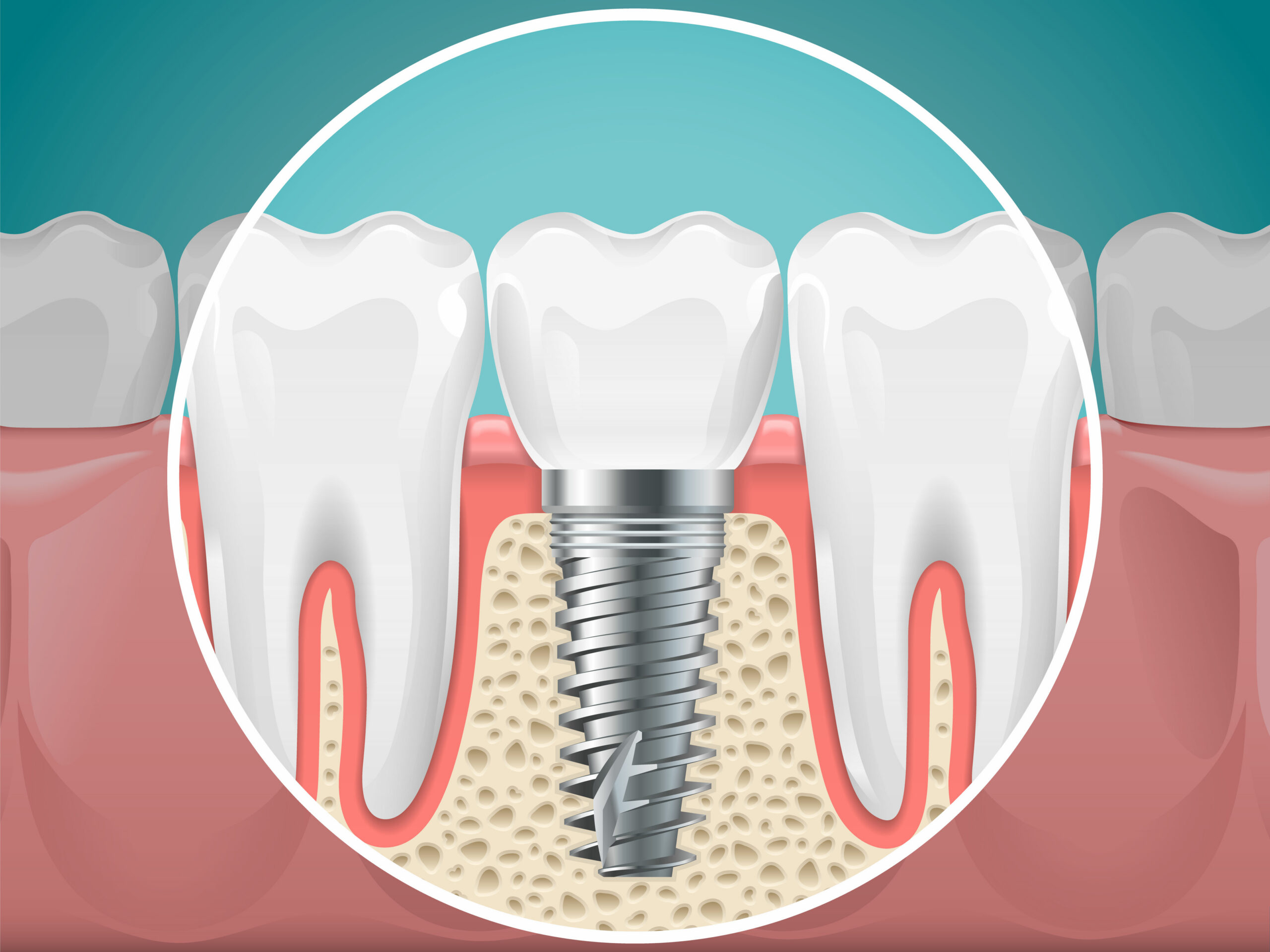
Dental implants are not priced like a routine cleaning, and there is no single number that applies to every patient. Your total investment depends on several factors specific to your oral health, goals, and the complexity of the work involved. For a detailed look at how these factors translate into real numbers, our dental implant cost breakdown walks through typical ranges for the New Jersey area.
The Number of Teeth Being Replaced
Replacing a single tooth involves a very different scope than restoring a full arch. A patient receiving a single-tooth implant will have different considerations than someone pursuing an All-on-X solution for complete arch replacement. The more teeth involved, the more planning, materials, and clinical time are required.
Whether Preparatory Work Is Needed
Some patients arrive with bone loss, gum disease, or existing teeth that need to be removed before implants can be placed. Bone and sinus grafting, extractions, and periodontal treatment are sometimes necessary first steps, and they affect the overall cost. These are not optional add-ons; they are the foundation that determines whether your implant integrates successfully and lasts for decades.
The Training and Credentials of Your Provider
Not all implant providers bring the same level of training to the table. Dr. Matei earned her MS in Biomaterials and Certificate in Periodontics and Implant Dentistry from New York University College of Dentistry and pursued advanced implantology training in Switzerland as an ITI Scholar. She has served on the faculty at both Columbia University College of Dental Medicine and the University of Pennsylvania School of Dental Medicine, and is a LANAP-certified clinician and 2022 recipient of the American Academy of Periodontics Educator Award for Excellence in Teaching and Mentoring. The level of planning and precision our doctors bring to every case is built directly into what we deliver.
Does Insurance Help Cover Implants?
Dental insurance coverage for implants varies significantly from one plan to the next. Many traditional dental plans treat the implant post itself as a non-covered benefit, while still providing partial coverage for related work such as extractions, bone grafting, or the final crown restoration. Understanding exactly what your plan covers before committing to a treatment timeline is a critical first step.
Our team will walk you through your insurance information and help you make sense of your benefits before treatment begins. When you know upfront what your out-of-pocket responsibility will be, you can plan with confidence rather than uncertainty.
Financing Options That Make Implants Within Reach
For patients whose insurance does not cover the full cost of their treatment, financing is one of the most practical tools available. Rather than delaying care or choosing a less effective option, financing lets you move forward with the treatment your oral health requires and manage the cost over time.
Flexible Payment Options at Our Practice
At Advanced Periodontics of N.J., we operate on a fee-for-service basis and offer a range of payment options to make your treatment as accessible as possible. We accept cash, credit card, and check, and for patients who prefer to spread the cost of more extensive treatment, we offer flexible dental financing solutions designed to fit a range of budgets. Applying is straightforward, and our team is happy to walk you through the available options before your first appointment.
Using an HSA or FSA for Implant Treatment
If you have a health savings account or flexible spending account through your employer, dental implants are generally an eligible expense. Paying with pre-tax dollars effectively reduces your out-of-pocket cost by whatever percentage you would otherwise pay in taxes. Because FSA funds often expire at the end of the plan year, it is worth checking your balance and any deadlines before scheduling treatment, especially if you are trying to use existing funds toward a phase of your plan.
Third-Party Medical Financing
Beyond our in-house payment plans, many patients use third-party medical financing companies that specialize in healthcare costs. These lenders typically offer a range of term lengths, and some plans include promotional low-interest or no-interest windows for patients who qualify. Comparing a few options before committing helps you find the structure that fits your monthly budget most comfortably.
Why Implants Are Worth the Investment
A cost-utility analysis published in PMC found that over a long time horizon, implant treatment becomes more cost-effective compared to fixed dental prostheses when accounting for quality of outcomes and maintenance costs. What appears to be a higher upfront cost often becomes the more economical path when you factor in the durability and reduced need for replacements over time.
Steps You Can Take to Prepare Financially
A few practical steps can make the entire process feel far more manageable before you ever sit down in the chair. Start by scheduling a consultation to receive a detailed, itemized treatment plan with actual numbers, not estimates. That gives you a clear figure to work with when evaluating your insurance coverage and financing options.
Ask our team whether phased treatment makes sense in your situation. In some cases, it is possible to begin with the most urgent needs and complete additional work in stages, spreading the financial commitment without compromising the clinical outcome. Coming in with a list of questions about your budget is not only welcome, but it also helps us build a plan around your real circumstances rather than a generic one. If you are unsure what to ask, our guide on questions to ask your periodontist before starting treatment is a helpful starting point.
Building a Realistic Timeline Around Your Budget
Financial readiness and treatment timing often go hand in hand. Some patients choose to complete preparatory work, such as grafting or extractions, in one budget cycle and place the implant itself in the next. Others prefer to move through the entire process as quickly as possible once financing is arranged. Neither approach is inherently better; the right timeline is the one that matches your comfort level with the investment while still protecting your oral health from further deterioration while you wait.
Delaying treatment indefinitely because of cost concerns can allow bone loss or gum disease to progress, which sometimes increases the scope, and therefore the cost, of treatment later. A conversation with our team about a realistic, budget-conscious timeline is almost always more productive than putting the decision off entirely.
Plan Your Smile Investment at Advanced Periodontics of N.J.
When you meet our doctors at Advanced Periodontics of N.J., you will find two specialists who take as much time with the financial conversation as they do with the clinical one. We offer flexible payment options to fit a range of budgets and develop treatment plans that reflect what is genuinely right for you. Our practice welcomes patients throughout Bergen County and the surrounding New Jersey communities.
Getting started is straightforward. Contact us today and let us help you understand exactly what your path to dental implants looks like, from the first consultation to the final restored smile.
Frequently Asked Questions About Financing Dental Implants
How much of the cost of dental implants does insurance typically cover?
Coverage varies widely by plan. Many dental plans exclude the implant post itself but still contribute toward related services such as extractions, bone grafting, or the crown restoration. Reviewing your specific policy before treatment begins is the best way to know your actual out-of-pocket responsibility.
Can I use my HSA or FSA to pay for dental implants?
In most cases, yes. Dental implants are generally considered an eligible expense for health savings accounts and flexible spending accounts, which lets you pay with pre-tax dollars. Check your plan’s specific rules and any deadlines on unused funds before scheduling treatment.
Is it possible to complete dental implant treatment in phases to spread out the cost?
Yes, phased treatment is an option for many patients. In some cases, the most urgent needs can be addressed first, with additional work completed in later stages. This approach spreads the financial commitment over time without compromising the overall clinical outcome.
What financing options are available if insurance does not cover the full cost?
Options generally include in-house payment plans offered directly by the practice and third-party medical financing companies that specialize in healthcare costs. Many of these plans offer a range of term lengths, and some include promotional low-interest windows for qualified patients.
Does waiting to get dental implants save money in the long run?
Usually not. Delaying treatment can allow bone loss or gum disease to progress, which sometimes increases the scope of work needed later and, along with it, the total cost. Addressing the issue earlier with a clear financial plan typically produces a more predictable and manageable investment.