


Choosing between implant-supported dentures and traditional dentures comes down to how each option is anchored in your mouth: traditional dentures rest on your gums, while implant-supported dentures attach to implants placed in your jawbone. That difference affects stability, comfort, jawbone health, and cost, and understanding it helps you make an informed decision about replacing missing teeth.
At Advanced Periodontics of N.J., Dr. Matei and Dr. Peto help you navigate these treatment decisions based on your unique needs and goals as part of our tooth replacement services. Our team understands that replacing missing teeth is about more than just appearance; it is about restoring your quality of life, confidence, and ability to eat the foods you love.
What Are Traditional Dentures?
Traditional dentures have been helping people replace missing teeth for generations. These removable prosthetic devices rest directly on your gums and are held in place by natural suction, denture adhesives, or a combination of both. They are designed to replace either a full arch of teeth (complete dentures) or fill in gaps where multiple teeth are missing (partial dentures).
While traditional dentures can restore basic function and appearance, they do have limitations. Many patients experience slipping, clicking, or movement when speaking or eating, which can affect confidence in social situations. Additionally, traditional dentures may require adjustments over time as your jawbone naturally changes shape.
The fitting process for traditional dentures typically involves multiple appointments, during which impressions are taken and adjustments are made to help ensure a proper fit and comfort. However, even with careful fitting, some patients find it takes time to adjust to speaking and eating with traditional dentures.
How Do Implant-Supported Dentures Work?
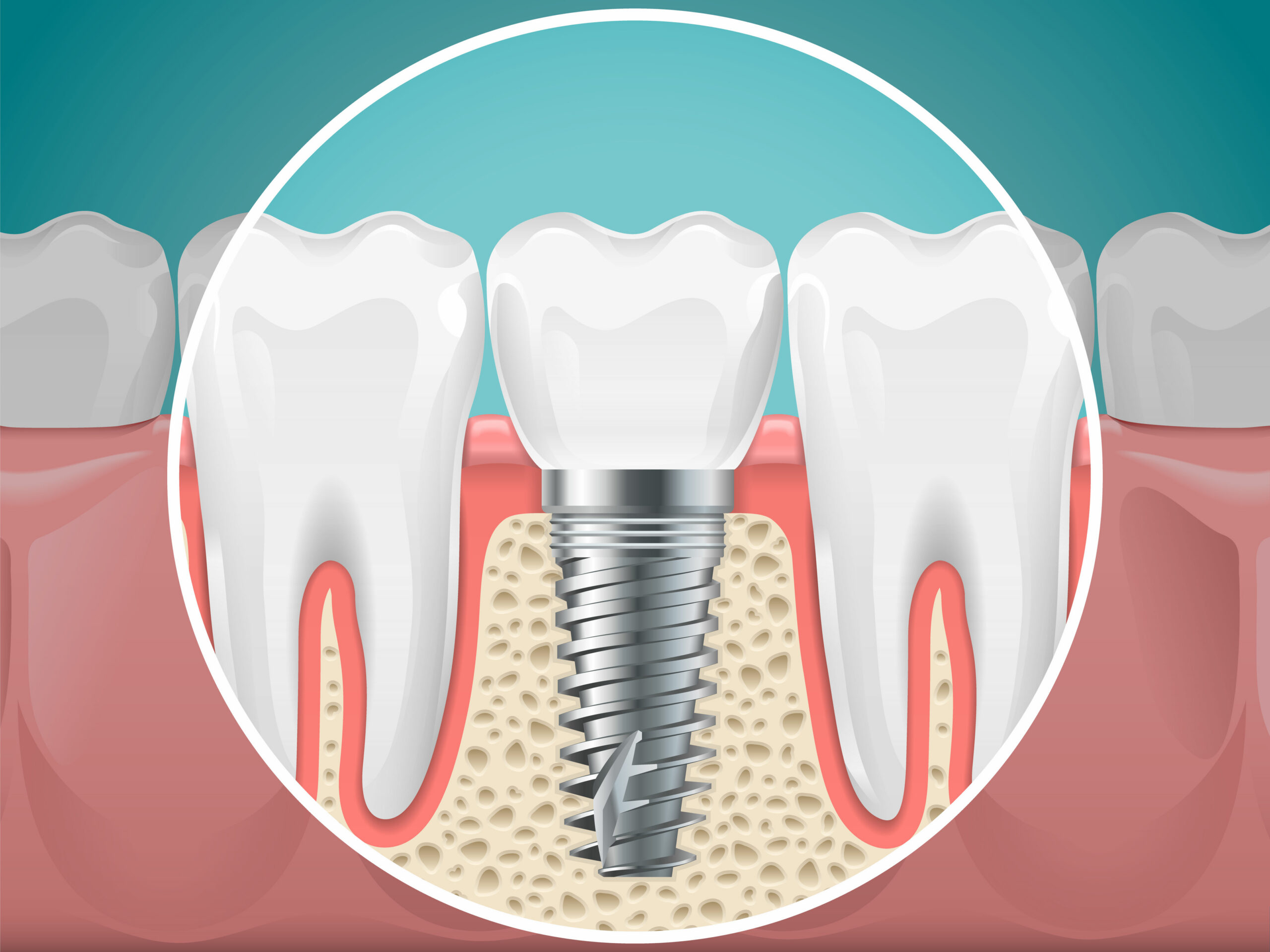
Implant-supported dentures represent a modern advancement in tooth replacement technology. Instead of resting solely on your gums, these dentures are anchored to strategically placed dental implants that have been surgically placed into your jawbone.
This approach offers several benefits over traditional dentures. First, stability is dramatically improved, as implant-supported dentures generally do not slip or move when eating or speaking. This means you can enjoy a wider variety of foods and speak with more confidence.
Enhanced Comfort and Function
One of the most appreciated benefits of implant-supported dentures is the improved comfort they provide. Because they are anchored to implants, there is no need for messy adhesives or the worry about dentures shifting at inconvenient moments. Patients often report that implant-supported dentures feel more natural and secure.
Chewing efficiency with implant-supported dentures is also generally superior to that of conventional dentures. You may be able to bite into foods with more confidence and enjoy a more varied diet, which can positively affect nutrition and meal enjoyment.
Preserving Jawbone Health
Traditional dentures rest on top of your gums, which means they do not stimulate the underlying jawbone the way natural teeth do. Over time, this can cause bone loss in the jaw, resulting in changes to facial structure and the need for denture adjustments.
Implant-supported dentures help preserve jawbone health because the implants function like natural tooth roots, providing the stimulation your bone needs to stay healthy. This can help support your facial structure and reduce the need for future adjustments.
Comparing Traditional and Implant-Supported Dentures
When weighing your options, several factors should influence your decision. Traditional dentures are often more affordable upfront and do not require surgery, making them accessible to a broader range of patients. The treatment process is also typically shorter, allowing you to receive your new teeth more quickly.
However, implant-supported dentures offer superior long-term value for many patients. While the initial investment is higher, the improved function, comfort, and durability often make them more cost-effective over time, since patients typically need fewer adjustments and replacements compared to traditional dentures.
The treatment timeline differs significantly between the two options. Traditional dentures can often be completed in a matter of weeks, while implant-supported dentures require a longer process that includes healing time after implant placement. This extended timeline allows for proper integration of the implants with your jawbone, supporting the best possible outcome.
Comparing Long-Term Costs and Maintenance
Traditional dentures typically need relining or replacement every five to seven years as your jawbone and gum tissue change shape, and those recurring costs add up over a lifetime of wear. Implant-supported dentures carry a higher upfront cost but generally require fewer relines because the implants keep the jawbone stable underneath the prosthetic. Day-to-day care also differs: traditional dentures come out for cleaning and soaking, while implant-supported dentures are cleaned more like natural teeth, with brushing and specialized flossing tools around the implant attachments. Our financing options can help make either path more manageable if the upfront cost is a concern.
What to Consider When Choosing a Tooth Replacement Option
Your specific circumstances play a crucial role in determining which option is best for you. Factors such as your overall health, bone density levels, lifestyle preferences, and budget all factor into the decision-making process. If your jawbone has already lost significant density, your periodontist will evaluate whether you are a candidate for implant placement or whether bone grafting is needed first.
Some patients are excellent candidates for implant-supported dentures, while others may be better suited for traditional dentures. During your consultation, we will evaluate your specific situation and discuss which option aligns best with your goals and oral health needs. You can also view real patient outcomes on our before and after page to see what each option can look like.
It is worth noting that if you currently have traditional dentures and are experiencing issues with fit or function, transitioning to implant-supported dentures may be a viable option. This can be a way to upgrade your tooth replacement solution if your circumstances have changed.
Frequently Asked Questions About Implant-Supported and Traditional Dentures
How long do implant-supported dentures last compared to traditional dentures?
Traditional dentures typically need relining or replacement every five to seven years as your mouth changes shape. Implant-supported dentures generally last longer with proper care, since the implants keep the jawbone stable, though the denture portion may still need periodic maintenance.
Can I switch from traditional dentures to implant-supported dentures later?
Yes, many patients transition to implant-supported dentures after experiencing fit or comfort issues with traditional dentures. Your periodontist will evaluate your remaining jawbone density to confirm whether you are a candidate or whether bone grafting is needed first.
How many implants are needed to support a denture?
The number varies by case and by the type of implant-supported denture recommended, often ranging from two to six implants per arch. Your periodontist determines the ideal number and placement based on your jawbone density and the type of attachment system used.
Are implant-supported dentures removable?
Some implant-supported dentures snap onto the implants and can be removed for cleaning, while others are fixed in place and only removed by your dental provider. Your periodontist will discuss which type fits your lifestyle and care preferences during your consultation.
What is the average cost difference between the two options?
Traditional dentures generally cost less upfront since no surgery is involved, while implant-supported dentures require a higher initial investment for the implants and placement procedure. Many patients find the long-term costs even out over time due to fewer adjustments and replacements with implant-supported options.
Take the Next Step to Restore Your Smile With Advanced Periodontics of N.J.
Choosing between implant-supported dentures and conventional dentures is a major decision that deserves careful consideration and professional guidance. The right choice depends on your individual needs, health status, and personal preferences.
Dr. Matei and Dr. Peto at Advanced Periodontics of N.J. bring extensive experience in both traditional and implant-supported denture solutions. Dr. Matei’s advanced training in implantology in Switzerland, combined with her role as a LANAP-certified clinician since 2024, and Dr. Peto’s expertise together provide comprehensive treatment options tailored to your specific needs. To schedule your consultation, visit our contact form today.