



A dentist tells you your gums are pulling away from your teeth, and pockets have formed that a toothbrush cannot reach. It is unsettling news, especially when you realize daily brushing and flossing will not solve the problem on their own. The good news is that once periodontal disease reaches this stage, there is a proven surgical option that can stop it from progressing further and protect the teeth you still have.
At Advanced Periodontics of NJ, Dr. Matei and Dr. Peto perform osseous pocket reduction surgery for patients in River Edge and the surrounding Bergen County towns whose gum disease has advanced beyond what nonsurgical care can manage. This procedure removes the bacteria hiding deep beneath the gumline and reshapes the bone so your gum tissue can reattach properly, giving your teeth a much stronger foundation going forward.
What Happens During Osseous Pocket Reduction Surgery
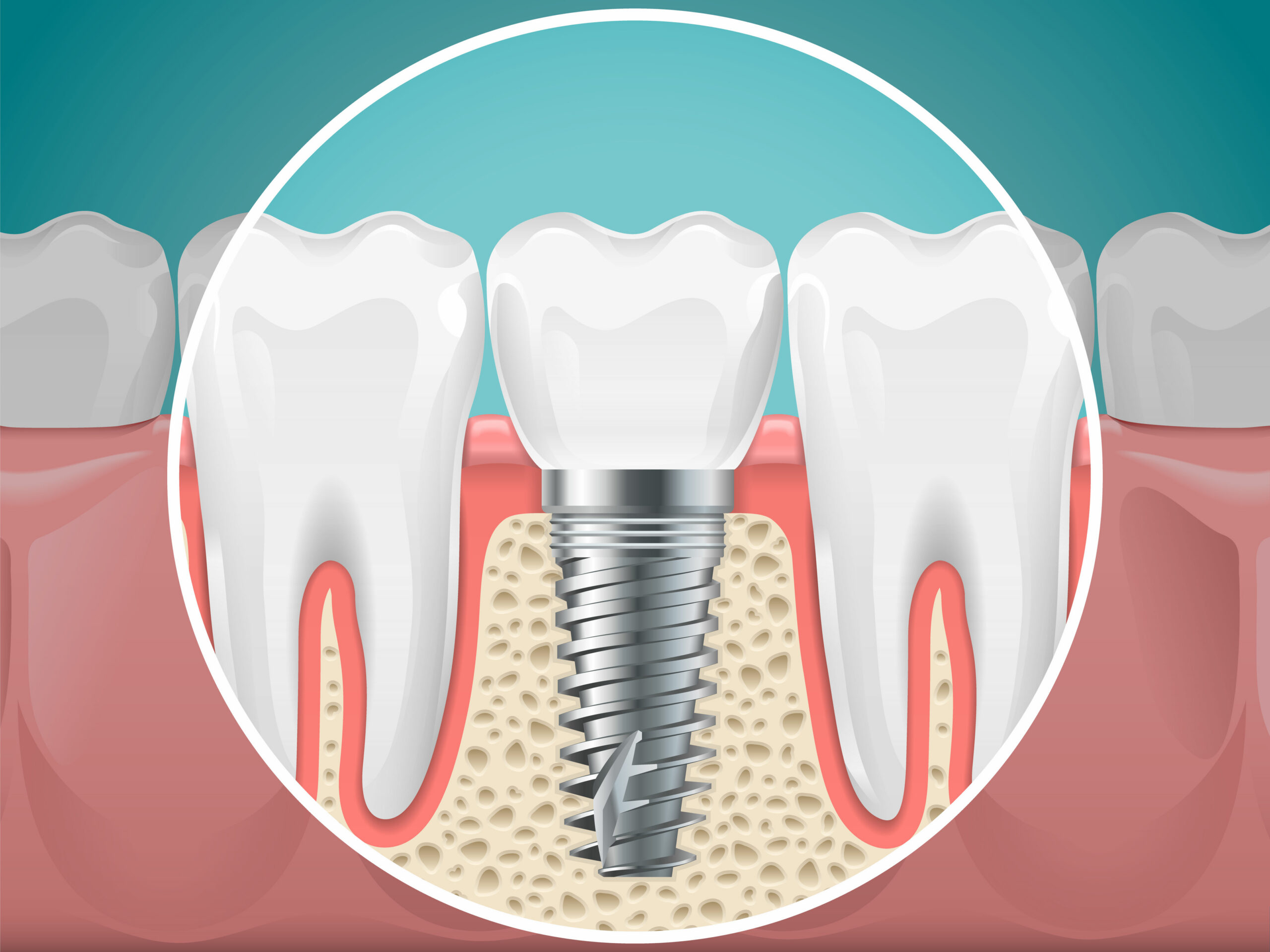
Healthy gum tissue fits snugly around each tooth, similar to the way a well-fitted collar sits against your neck. When chronic gum disease takes hold, that supporting tissue and bone begin to break down, and pockets form between the gums and teeth. Over time these pockets deepen, giving bacteria more room to collect and spread beneath the surface where a toothbrush cannot reach.
During the procedure, we gently fold back the gum tissue to access the roots and the bone underneath. This allows us to remove disease causing bacteria and smooth out any irregular bone surfaces that make it easier for bacteria to hide. According to the American Academy of Periodontology, this recontouring helps the gum tissue reattach more securely to healthy bone once the area heals. Once the bone is smoothed, the gum tissue is secured back into place with sutures.
Why Pocket Depth Matters
Pocket depth is one of the main ways we measure how far gum disease has progressed. Shallower pockets are much easier to keep clean with regular brushing, flossing, and professional cleanings, while deeper pockets create an environment where bacteria thrive undisturbed. Reducing that depth through surgery gives you a real chance to maintain the results with good home care and regular visits.
Signs You May Need This Procedure
Many patients do not realize how advanced their gum disease has become until a periodontal exam reveals deep pockets and bone loss. Bleeding gums, persistent bad breath, and teeth that feel loose can all point toward a stage where nonsurgical treatments alone may no longer be enough. A thorough evaluation helps determine whether pocket reduction surgery, or another approach, fits your specific situation.
Some patients also notice their gums appear to be pulling away from the teeth, making the teeth look longer than they used to. This can happen alongside or separately from gum recession, and both issues are worth bringing up during a consultation. The following signs are worth discussing with a periodontist as soon as you notice them.
- Gums that bleed easily during brushing or flossing
- Persistent bad breath that does not improve with better hygiene
- Teeth that feel loose or have shifted position
- Pus or tenderness around the gumline
- Visible gaps or pockets forming between teeth and gums
If any of these signs sound familiar, scheduling an exam sooner rather than later can help prevent further bone loss. Catching the problem at an earlier stage often means a more conservative treatment plan.
What Recovery Looks Like
Recovery from osseous pocket reduction surgery is generally more manageable than patients expect. Mild swelling and tenderness are common for the first few days, and we may recommend a soft food diet along with a specific oral hygiene routine to protect the treated area while it heals. Most patients return to their normal activities within a few days.
Following the aftercare instructions closely gives the gum tissue the best possible chance to reattach to the bone. Skipping steps or returning to old hygiene habits too soon can undo some of the benefit of the surgery itself. We schedule follow up visits to check healing progress and adjust your at-home care routine as needed.
Advanced Periodontics of NJ Can Help Protect Your Smile
Dr. Matei and Dr. Peto bring advanced surgical training and years of hands on experience to every case of gum disease they treat, from the earliest signs of inflammation to more advanced bone loss. We take time to walk each patient through their diagnosis, explain why a procedure like osseous pocket reduction surgery may be recommended, and answer every question before moving forward with treatment. Our River Edge practice also offers flexible financing options, so cost does not have to stand between you and the care your gums need.
If you have noticed bleeding gums, loose teeth, or other warning signs of periodontal disease, do not wait for the problem to get worse. Reach out to our team through our contact form to schedule an evaluation and find out which treatment path is right for you.