





If you have noticed bleeding, swollen, or receding gums, persistent bad breath, or teeth that feel loose, these are signs that it may be time to see a periodontist rather than wait for your next routine cleaning. A periodontist is a dental specialist who has completed additional training beyond dental school focused specifically on the gums, the jawbone, and the other tissues that support your teeth, and an early evaluation can often prevent gum disease from progressing to a stage that threatens your teeth.
At Advanced Periodontics of N.J., our team is led by Dr. David Peto, a board-certified periodontist who has focused his career on periodontal disease, dental implants, and the surgical and nonsurgical treatments that protect your gums. Whether you were referred by your general dentist or you are seeking periodontal care on your own, our practice is built to give you a clear diagnosis and a treatment plan suited to your specific situation.
What Does a Periodontist Do?
A periodontist is a dentist who has completed two to three years of additional hospital-based or specialty training after dental school, concentrating on the tissues that surround and support your teeth, including your gums, your periodontal ligament, and your jawbone. This additional training allows a periodontist to diagnose and treat every stage of gum disease, from early gingivitis to advanced periodontitis, and to perform surgical procedures that a general dentist typically does not.
How a Periodontist Differs From a General Dentist
Your general dentist focuses on preventive and restorative care, such as routine cleanings, fillings, and crowns, and is often the first to notice early warning signs of gum disease during a checkup. A periodontist takes over when your case calls for a specialist, whether that means a deep cleaning below the gumline, a surgical procedure, or ongoing periodontal maintenance for a condition that tends to recur. In many cases, you can see both providers at the same time, with your periodontist managing your gum health while your general dentist manages the rest of your oral care.
Signs You May Need to See a Periodontist
While a general dentist can catch many early warning signs during a routine visit, certain symptoms usually call for a periodontist’s evaluation. Consider scheduling a periodontal consultation if you notice any of the following:
- Bleeding or swollen gums: Gums that bleed regularly during brushing or flossing, or that appear red and puffy, are often an early sign of gum disease.
- Gum recession: Teeth that look longer than they used to, or roots that have become visible, may mean your gum tissue has pulled away from your teeth.
- Loose or shifting teeth: Teeth that feel loose or have shifted position can signal bone loss around the roots.
- Persistent bad breath: Bad breath that does not improve with brushing and flossing can be caused by bacteria trapped beneath the gumline.
- A referral from your dentist: If your general dentist has referred you for a periodontal evaluation, it typically means your case calls for a level of care beyond routine cleanings.
None of these symptoms guarantees a serious diagnosis on its own, but each one is a reason to have your gums evaluated rather than wait, since gum disease tends to progress quietly until it reaches a more advanced stage.
What to Expect During Your First Periodontist Visit
Your first periodontal consultation typically starts with a review of your dental and medical history, since conditions like diabetes and certain medications can affect your gum health and treatment options. From there, your periodontist will examine your gums, teeth, and jawbone, and will usually measure the depth of the pockets between your gums and teeth with a small measuring instrument. Healthy pockets generally measure one to three millimeters, and deeper measurements can point to active gum disease.
Depending on what the exam reveals, your periodontist may also take X-rays or other imaging to check for bone loss beneath the gumline that is not visible during a physical exam. Once the evaluation is complete, your periodontist will walk you through the findings in plain language, explain whether you have gingivitis or periodontitis and how advanced it is, and outline the treatment options that fit your situation, along with what you can expect in terms of time and follow-up visits.
Comprehensive Gum Disease Treatment Options
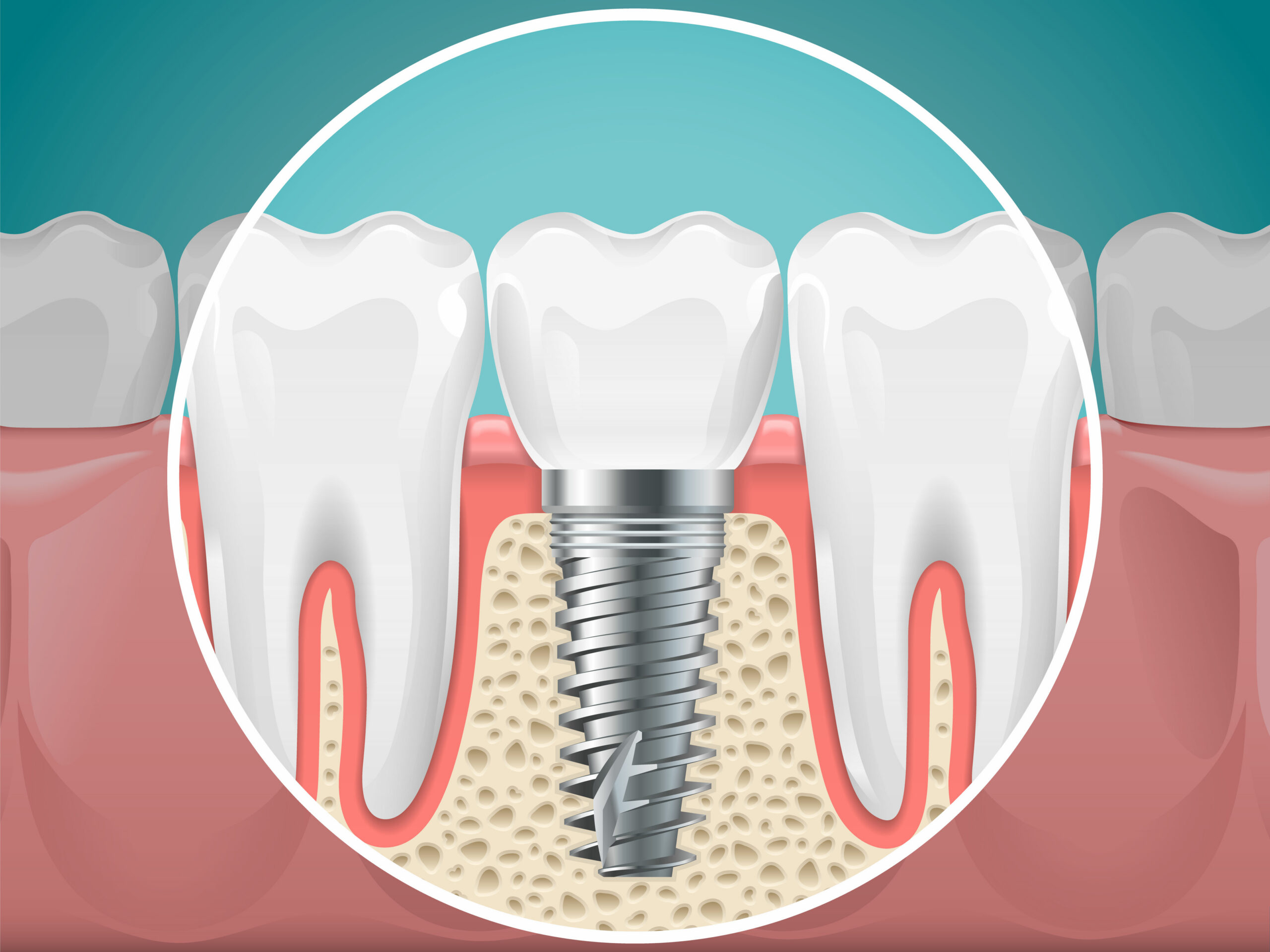
Depending on the severity of your condition, your periodontist may recommend scaling and root planing, a deep cleaning that removes plaque and tartar from below the gumline, to address early-stage gum disease. More advanced cases may call for gum grafting to cover exposed tooth roots caused by gum recession, or pocket reduction surgery to reduce the space between your gums and teeth so the area is easier to keep clean. If you have already lost one or more teeth to gum disease, your periodontist can also evaluate you for dental implants, which are designed to replace both the visible tooth and the root that once supported it.
How Periodontal Care Protects Your Overall Health
Gum disease does not stay contained to your mouth. Researchers have linked periodontal disease to a higher risk of complications with diabetes, cardiovascular disease, and certain respiratory conditions, since the same bacteria and chronic inflammation that damage your gums can affect the rest of your body over time. The Centers for Disease Control and Prevention notes that gum disease becomes more common as people age and is closely tied to overall health, which is one reason periodontists often coordinate care with a patient’s physician or dentist rather than treating the gums in isolation.
Preventing Tooth Loss Through Periodontal Care
Gum disease is a leading cause of adult tooth loss, largely because it destroys the bone and connective tissue that hold your teeth in place before you notice obvious symptoms. A periodontist’s job is to catch that process early and slow or stop it, whether through a periodontal maintenance schedule built around your specific risk level or through surgical treatment when the disease has already progressed. Most patients who need ongoing periodontal maintenance are seen every three to four months, which is more frequent than a typical six-month dental cleaning, so that any new problem areas are caught while they are still manageable.
Personalized Periodontal Treatment Plans
No two patients arrive at a periodontist’s office with the same combination of symptoms, risk factors, and goals, so your treatment plan should reflect that. A thorough plan takes into account your medical history, any medications you take, your smoking history, and conditions like diabetes that can influence how quickly gum disease progresses and how well your gums heal after treatment. If you are unsure whether your symptoms warrant a specialist or you would simply like a second opinion after a dentist’s recommendation, reviewing the signs that typically call for a periodontist is a useful starting point before you schedule a consultation.
Frequently Asked Questions About Visiting a Periodontist
How Do I Know If I Need to See a Periodontist?
Bleeding or swollen gums, gum recession, loose or shifting teeth, and persistent bad breath are common signs that it may be time for a periodontal evaluation. A referral from your general dentist is another common reason patients see a periodontist, since dentists often refer patients once gum disease reaches a stage that calls for a periodontist’s care.
Do I Need a Referral to See a Periodontist?
Many patients are referred by their general dentist, but a referral is generally not required to schedule a periodontal consultation. If you are noticing symptoms like bleeding gums or recession, you can typically schedule an evaluation directly with a periodontal practice.
What Happens During a First Visit to a Periodontist?
Your first visit typically includes a review of your dental and medical history, a visual exam of your gums, and measurements of the pocket depths around your teeth. Your periodontist may also take X-rays to check for bone loss before discussing your findings and outlining potential treatment options.
Can Gum Disease Really Affect My Overall Health?
Yes, in many cases. Researchers have found associations between untreated gum disease and conditions such as diabetes, cardiovascular disease, and certain respiratory issues, largely due to the chronic inflammation and bacteria involved. This is one reason periodontists often coordinate with a patient’s physician or general dentist.
How Often Should I See a Periodontist for Maintenance Cleanings?
Most patients on a periodontal maintenance schedule are seen every three to four months, which is more frequent than a typical six-month dental cleaning. Your periodontist can recommend a specific schedule based on your gum health and history of periodontal disease.
Schedule Your Periodontal Consultation at Advanced Periodontics of N.J.
Dr. David Peto and the team at Advanced Periodontics of N.J. bring hospital-trained, board-certified periodontal care to patients throughout Bergen County and the surrounding New Jersey communities, with a practice built entirely around diagnosing and treating gum disease, dental implants, and the conditions that affect the tissues supporting your teeth. Our approach centers on a thorough evaluation and a treatment plan tailored to your specific symptoms, risk factors, and goals rather than a one-size-fits-all protocol.
If you have noticed any of the warning signs described above, or your general dentist has recommended a periodontal evaluation, do not wait for the problem to progress. Contact Advanced Periodontics of N.J. to schedule your consultation and take the next step toward healthier gums.