

Periodontal disease develops gradually, often without obvious symptoms in its early stages. You might dismiss occasional bleeding when you brush or attribute bad breath to something you ate, yet these signs indicate bacterial infection affecting your gums. Understanding how gum disease progresses helps you recognize warning signs and seek treatment before irreversible damage occurs to the bone and tissue supporting your teeth.
At Advanced Periodontics of N.J., we treat gum disease at every stage, from initial inflammation to advanced bone loss. Dr. Peto and Dr. Matei bring training in diagnosing and treating periodontal conditions. Dr. Matei’s credentials include LANAP certification, faculty positions at Columbia University College of Dental Medicine and the University of Pennsylvania School of Dental Medicine, and published research on periodontal regeneration.
Stage One: Gingivitis
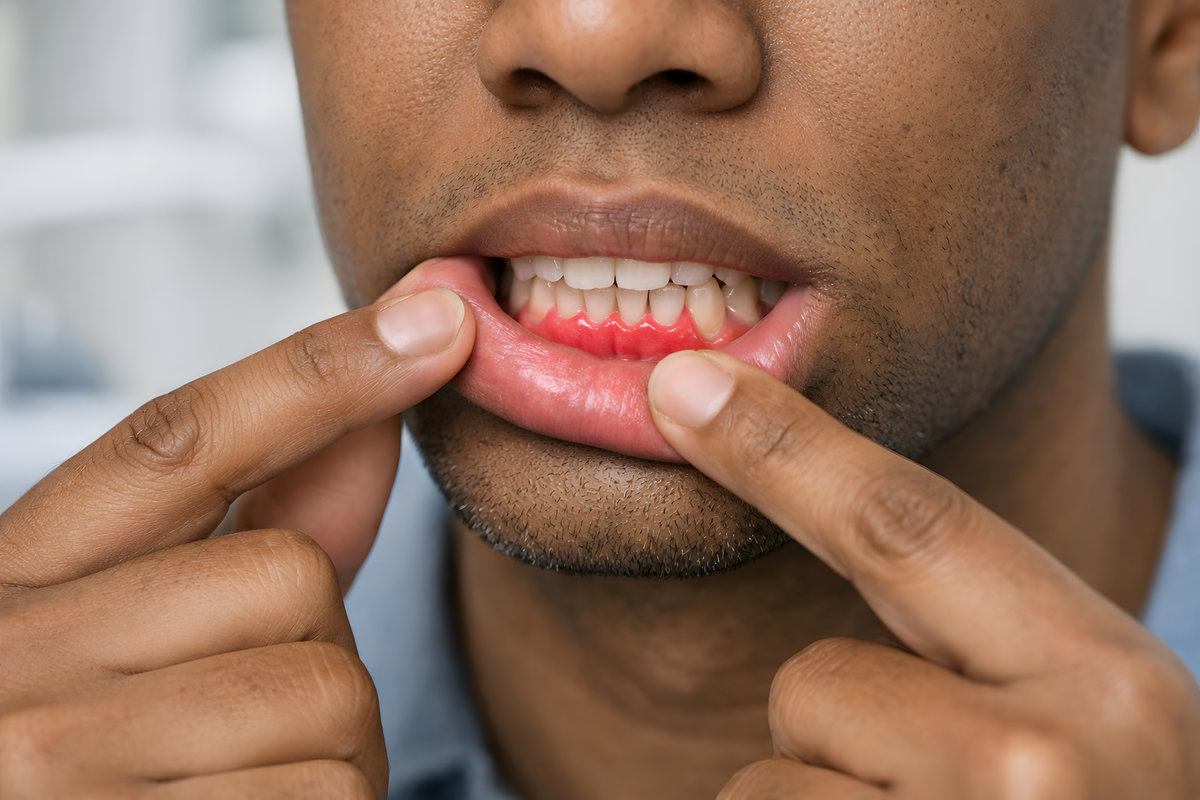
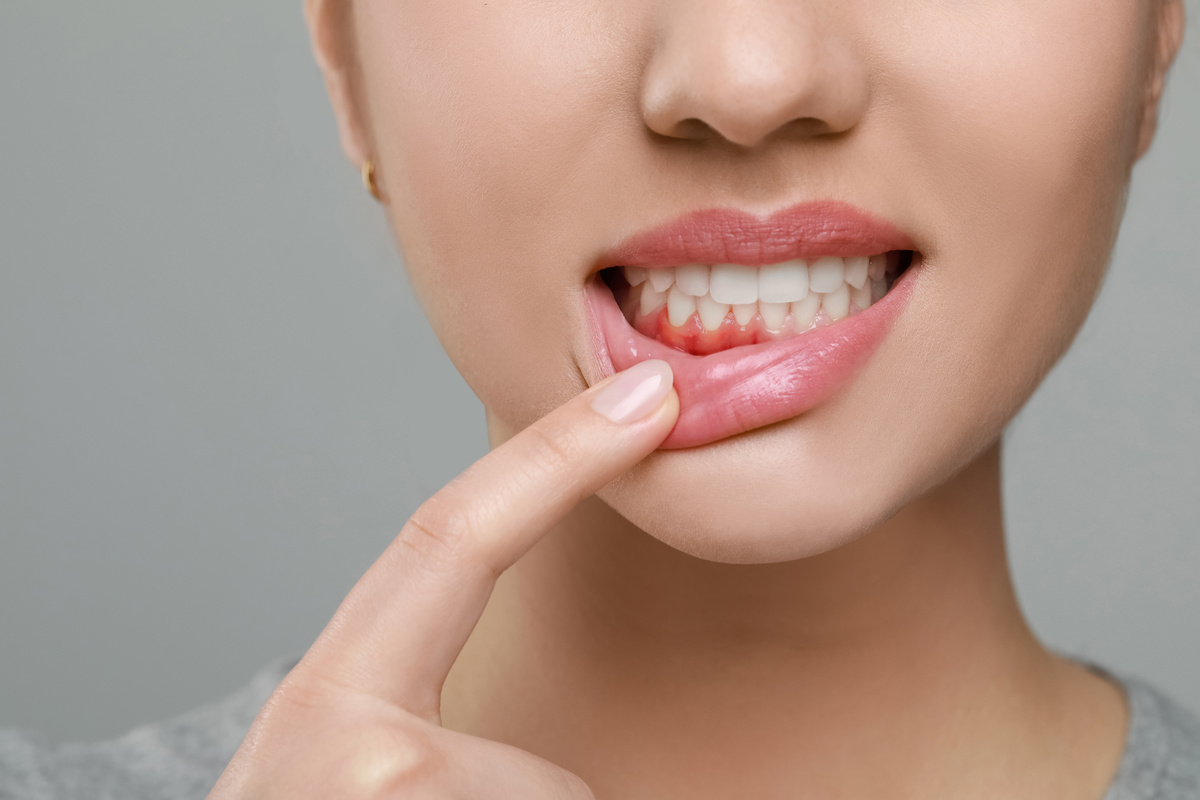
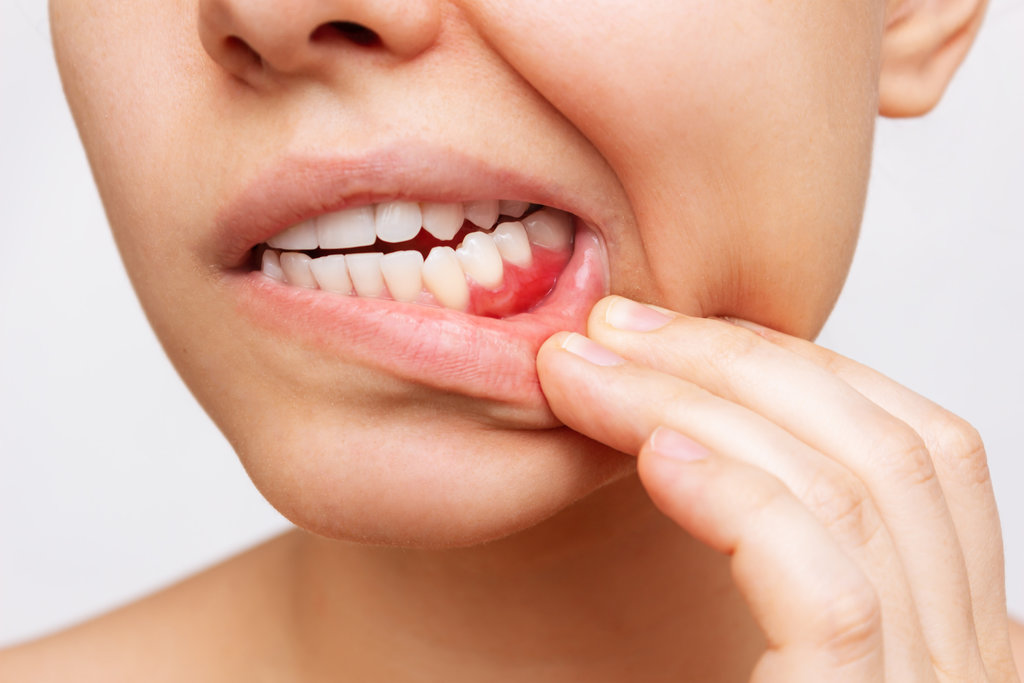
Gingivitis marks the earliest stage of gum disease, characterized by inflammation of the gum tissue without bone loss. Plaque, a sticky film of bacteria, constantly forms on your teeth. When you don’t remove plaque through daily brushing and flossing, it irritates your gums, triggering an inflammatory response. Your gums appear red or purplish instead of healthy pink. They may feel swollen or tender when you touch them. Many people notice bleeding when brushing or flossing, though the bleeding may be slight enough to overlook.
Bad breath often accompanies gingivitis as bacteria multiply in your mouth. You might notice an unpleasant taste even shortly after brushing. The good news about gingivitis is its reversibility. Professional cleaning removes the bacterial deposits causing inflammation. With improved home care, your gums can return to health without lasting damage. However, untreated gingivitis doesn’t remain stable. The inflammation continues, and bacteria spread deeper below the gum line, where your toothbrush cannot reach.
Stage Two: Early Periodontitis
Early periodontitis develops when inflammation extends below the gum line, causing gums to separate from teeth and form pockets. These spaces typically measure 4-5mm deep and collect bacteria, food debris, and plaque. Your body’s immune system responds to this bacterial infection by releasing enzymes meant to fight the invaders. Unfortunately, these same enzymes begin breaking down the connective tissue and bone supporting your teeth.
You may notice your gums receding, making your teeth appear longer. According to the American Dental Association, chronic periodontitis affects 47.2% of adults over 30 in the United States and can lead to loss of tissue and bone supporting the teeth. Bad breath becomes more persistent as bacteria proliferate in the deepening pockets. Some people experience increased sensitivity to hot or cold, as gum recession exposes tooth roots not protected by enamel.
Early periodontitis requires more aggressive treatment than gingivitis. Professional scaling and root planing removes bacterial deposits from below the gum line and smooths root surfaces to discourage bacterial reattachment. This deep cleaning often occurs over multiple appointments, with local anesthesia keeping you comfortable during the procedure.
Stage Three: Moderate Periodontitis
Moderate periodontitis involves deeper pocket formation, typically measuring 6-7mm, and increased bone loss around your teeth. The inflammation and bacterial infection continue destroying the supporting structures. You may notice visible changes in your smile as gums recede further. Teeth might shift slightly from their original positions as the bone holding them in place deteriorates.
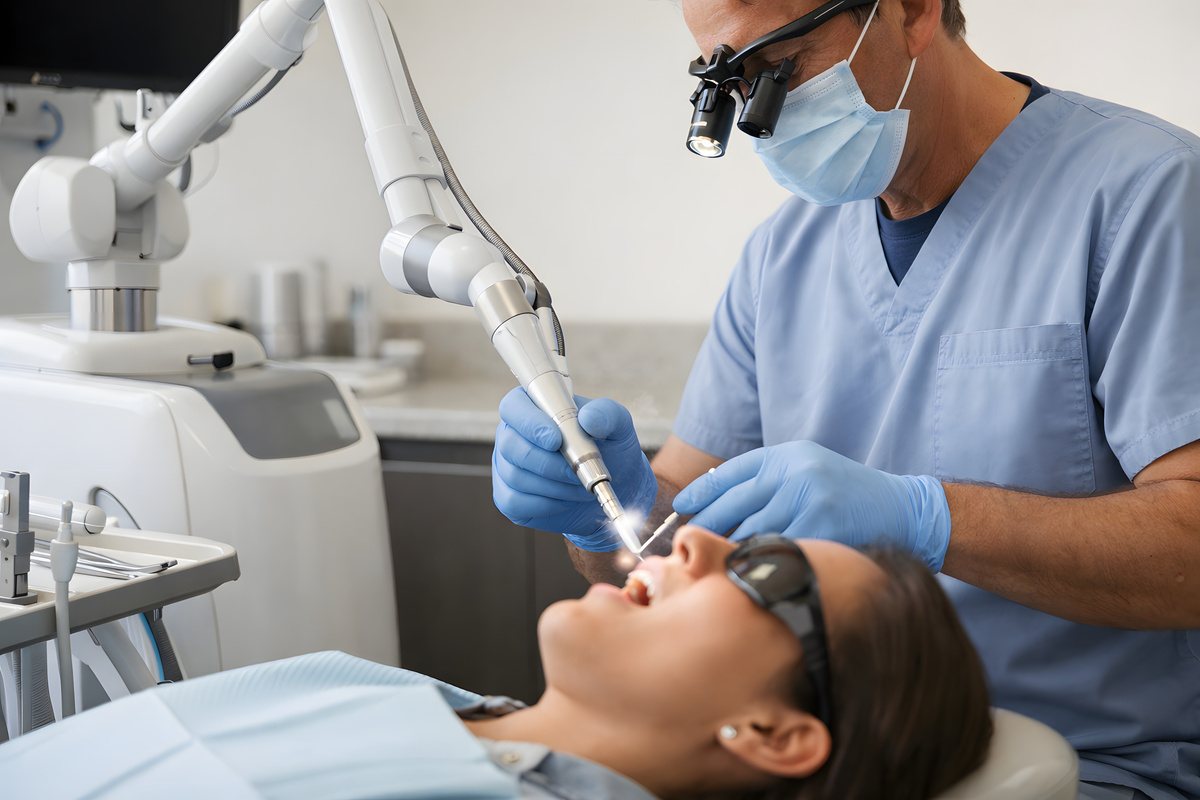
Bleeding becomes more frequent and pronounced, occurring spontaneously or with minimal provocation. The persistent inflammation causes gums to appear deeply red or purplish. Pus may drain from the pockets around your teeth, creating a foul taste and contributing to severe bad breath. Treatment for moderate periodontitis often requires more intensive intervention. Scaling and root planing may still be effective, sometimes combined with antimicrobial therapy to control bacterial infection. Some cases benefit from laser treatment through LANAP therapy, which removes diseased tissue while stimulating bone regeneration.
Stage Four: Advanced Periodontitis
Advanced periodontitis represents the most severe form of gum disease, with pocket depths exceeding 7mm and substantial bone loss. Teeth become noticeably loose, moving when you touch them with your tongue or finger. You may have difficulty chewing as teeth shift and lose stability. Some teeth may spontaneously fall out, while others require extraction because the supporting bone can no longer hold them.
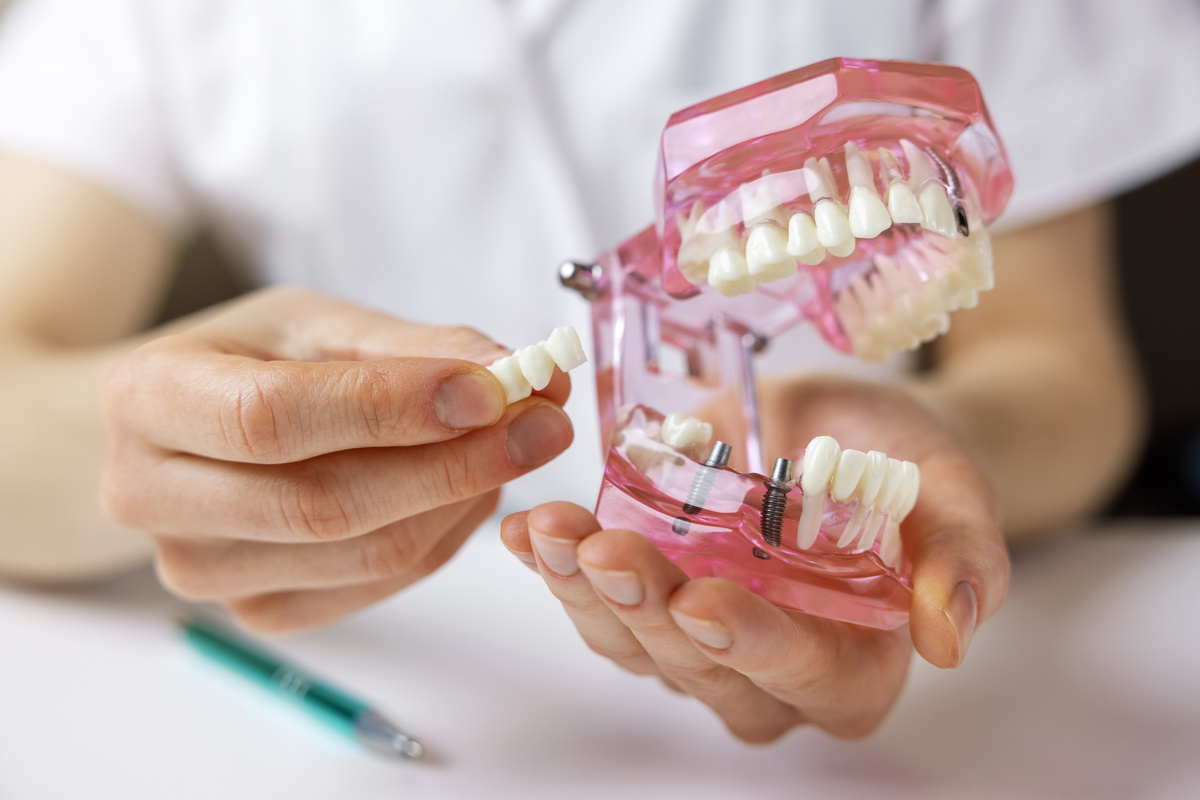
A significant recession makes teeth appear extremely long. Large gaps may develop between teeth as they drift from their original positions. Your bite may feel different as teeth shift, potentially causing jaw pain. Advanced periodontitis often requires surgical intervention to manage. Procedures may include osseous surgery to reshape damaged bone or the extraction of teeth too compromised to save. After stabilizing the disease, dental implants can replace extracted teeth, restoring function and appearance.
Begin Treatment at Advanced Periodontics of N.J.
Periodontal disease progresses when left untreated, causing irreversible damage to the structures supporting your teeth. Early intervention prevents mild gingivitis from advancing to severe periodontitis requiring extensive treatment. Dr. Peto and Dr. Matei provide comprehensive care for all stages of gum disease. Dr. Matei’s achievements include a Fulbright Junior Scholarship and the Educator Award for Excellence in Teaching and Mentoring in Periodontics from the American Academy of Periodontics.
Your initial examination includes thorough periodontal measurements, x-rays to assess bone levels, and evaluation of your overall oral health. This comprehensive assessment identifies disease stage and informs appropriate treatment recommendations. We operate on a fee-for-service basis with multiple payment options, including financing plans. Take control of your periodontal health by contacting our office to schedule your consultation.