



If you’re considering dental implants but worry about the pain involved, you’re not alone. The fear of discomfort during and after the procedure stops countless people from pursuing this life-changing treatment. While it’s natural to feel apprehensive about any surgical procedure, understanding what actually happens during implant placement can help ease those concerns and set realistic expectations for your recovery.
At Advanced Periodontics of N.J., Dr. Marlen Matei and Dr. Costel Peto combine decades of specialized training with advanced techniques to make implant placement as comfortable as possible. Both doctors have dedicated their careers to helping patients restore their smiles with confidence through comprehensive periodontal services in River Edge, NJ.
What Makes Dental Implants Different From Other Procedures?
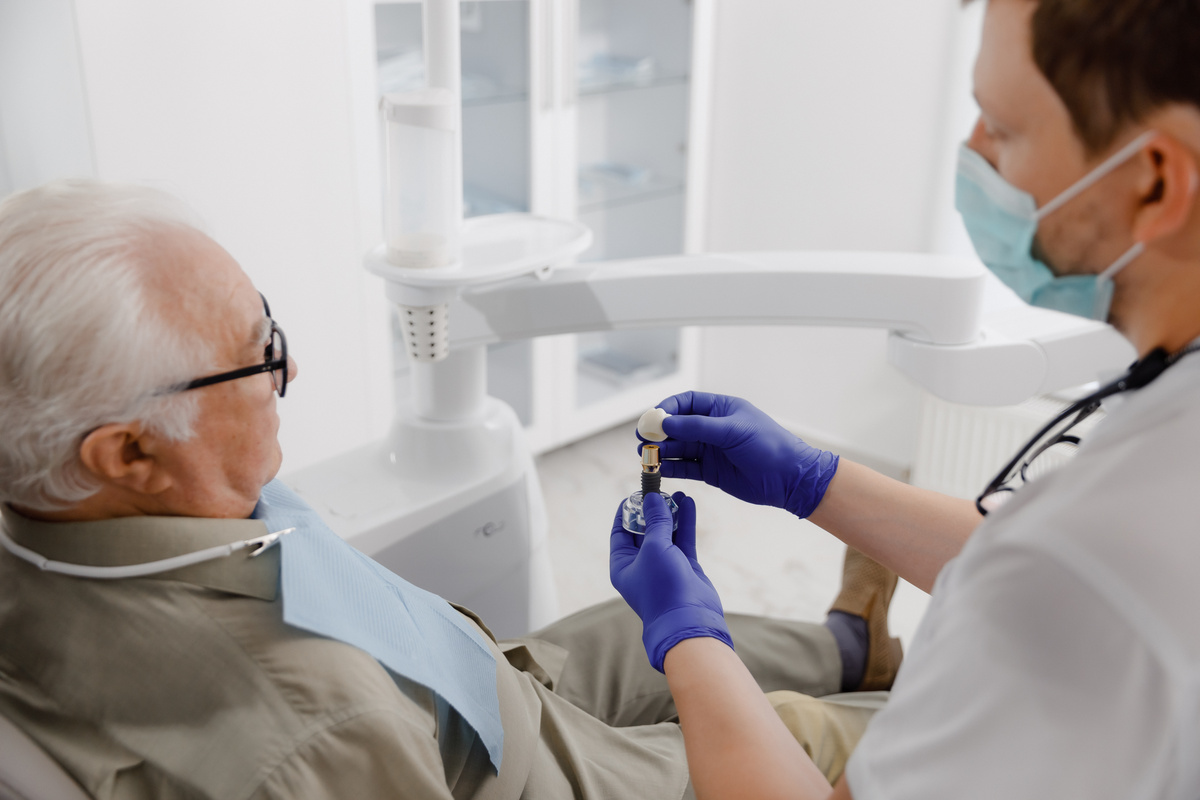
Dental implants are artificial tooth roots made of titanium that integrate with your jawbone to support replacement teeth. Unlike dentures or bridges, implants become a permanent part of your mouth’s structure. The placement procedure involves creating a small opening in the gum tissue and carefully positioning the implant post into the jawbone. While this sounds invasive, modern techniques and anesthesia make the experience manageable for most patients.
Local Anesthesia and Sedation Options
During implant surgery, you receive local anesthesia that completely numbs the treatment area. For patients with dental anxiety or those undergoing multiple implant placements, sedation dentistry offers additional comfort options. These methods range from mild oral sedation to deeper IV sedation, allowing you to remain relaxed throughout the procedure while feeling no pain.
Pain Levels During Implant Surgery
Most patients report feeling pressure and vibration during surgery, but no actual pain. Local anesthesia blocks nerve signals from the surgical site, preventing discomfort during the placement of the implant post. Research examining patient experiences shows that immediate post-surgical pain scores are remarkably low, with the majority of patients reporting no pain right after the procedure. Some patients describe the experience as less uncomfortable than having a tooth extracted.
What to Expect in the First 24 to 72 Hours
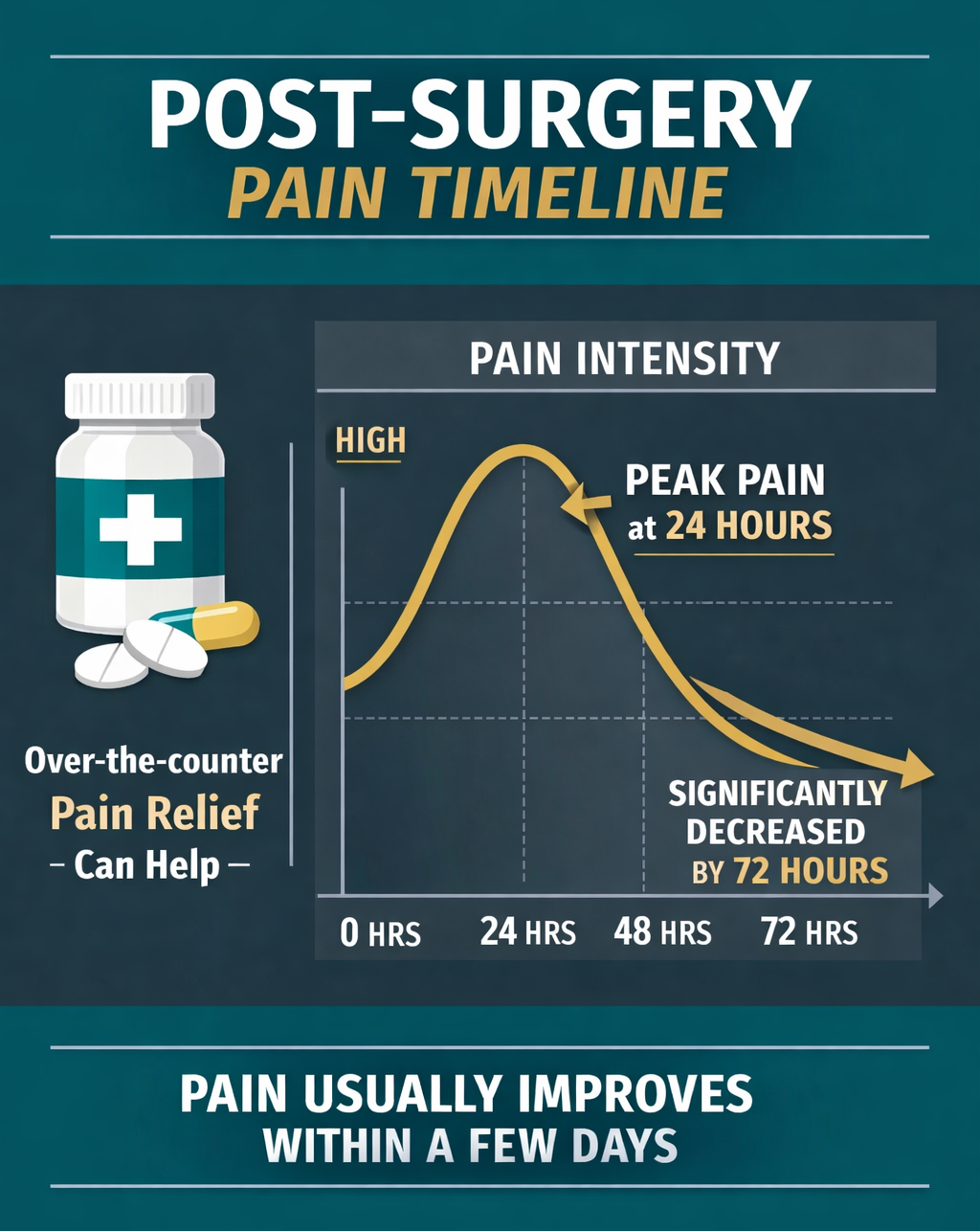
The initial recovery period is when you’re most likely to experience discomfort. Pain intensity typically peaks at 24 hours after surgery and then decreases significantly by 72 hours. Many patients find that over-the-counter pain relievers effectively manage any discomfort during this window. Your periodontist will provide specific medication recommendations based on your individual case and medical history.
Swelling around the implant site is normal and usually resolves within three to four days. Applying ice packs to your face in 15-minute intervals during the first 24 hours helps minimize inflammation. Keeping your head elevated while resting also reduces swelling. Most people can return to work within a day or two, though you should avoid strenuous activities for at least a week.
Your surgeon’s skill and approach directly impact your comfort level. Experienced periodontists who specialize in implant dentistry use minimally invasive techniques that lessen trauma to surrounding tissues. Advanced imaging technology allows for accurate implant placement, which shortens surgery time and promotes faster healing. Patients treated by specialists often report smoother recoveries compared to those treated by general practitioners.
Long-Term Comfort and Success
Once the initial healing phase passes, dental implants should feel completely natural. The integration process, called osseointegration, takes several months as your bone fuses with the titanium post. During this time, you may not feel anything unusual at all. Procedures like guided tissue regeneration can support healing if you have bone loss. Properly placed implants function just like natural teeth without ongoing discomfort.
Factors That Influence Your Comfort
Several factors affect how much discomfort you might experience after implant surgery. The number of implants placed, your individual pain tolerance, whether bone grafting is needed, and your adherence to post-operative instructions all play a role. Patients with healthy gums and ample bone density typically experience less discomfort than those requiring additional procedures. If you have gum recession or bone loss, addressing these conditions first can improve your implant outcome.
Post-Surgery Warning Signs To Look For
While some discomfort is expected after implant surgery, certain symptoms warrant immediate contact with your periodontist, including:
- Severe, worsening pain that doesn’t respond to prescribed medication could indicate an infection or complication.
- Excessive bleeding, fever, swelling that increases after the third day.
- Numbness lasting more than a few hours should be evaluated promptly.
Following your post-operative instructions carefully minimizes the risk of complications and supports proper healing.
Experience Expert Dental Implant Care at Advanced Periodontics of N.J.
Dental implants are a proven, comfortable solution for replacing missing teeth when performed by experienced specialists. Dr. Marlen Matei and Dr. Costel Peto bring extensive training and a patient-centered approach to every procedure. Dr. Matei’s faculty positions at Columbia University College of Dental Medicine and the University of Pennsylvania School of Dental Medicine reflect her commitment to advancing the field through education and research. Her expertise in biomaterials and tissue regeneration ensures that you receive care grounded in the latest scientific evidence.
If concerns about pain have kept you from pursuing dental implants, take the first step toward restoring your smile with confidence. Our team will guide you through every aspect of the procedure, answer your questions, and draft a personalized treatment plan that prioritizes your comfort. Contact us today to schedule a consultation at our River Edge office.