


Imagine watching your gumline slowly recede as gum disease silently erodes the foundation supporting your teeth. With each dental visit, the measurements grow worse, moving from 3mm to 5mm to 7mm pockets, until your dentist delivers the news that significant bone loss is threatening the survival of your teeth. Before panicking or resigning yourself to extensive tooth loss, there is a procedure that can change that outlook. Guided tissue regeneration does not just halt the destruction of your gums and bone tissue; it helps your body rebuild what was lost, potentially saving teeth that would otherwise be extracted.
At Advanced Periodontics of N.J., our team provides advanced periodontal treatments that help restore oral health and function. We understand how concerning bone loss can be, which is why we offer procedures like guided tissue regeneration alongside other bone regeneration techniques to help you maintain your natural smile and prevent tooth loss.
What Is Guided Tissue Regeneration?
Guided tissue regeneration (GTR) is a surgical procedure designed to stimulate your body’s natural healing abilities to regenerate lost bone and gum tissues around teeth affected by periodontitis. According to the American Dental Association, roughly 42% of adults over 30 have some form of periodontitis, making guided tissue regeneration a valuable part of periodontal care. Unlike treatments that focus primarily on removing infection, GTR actively encourages the regrowth of healthy supporting structures.
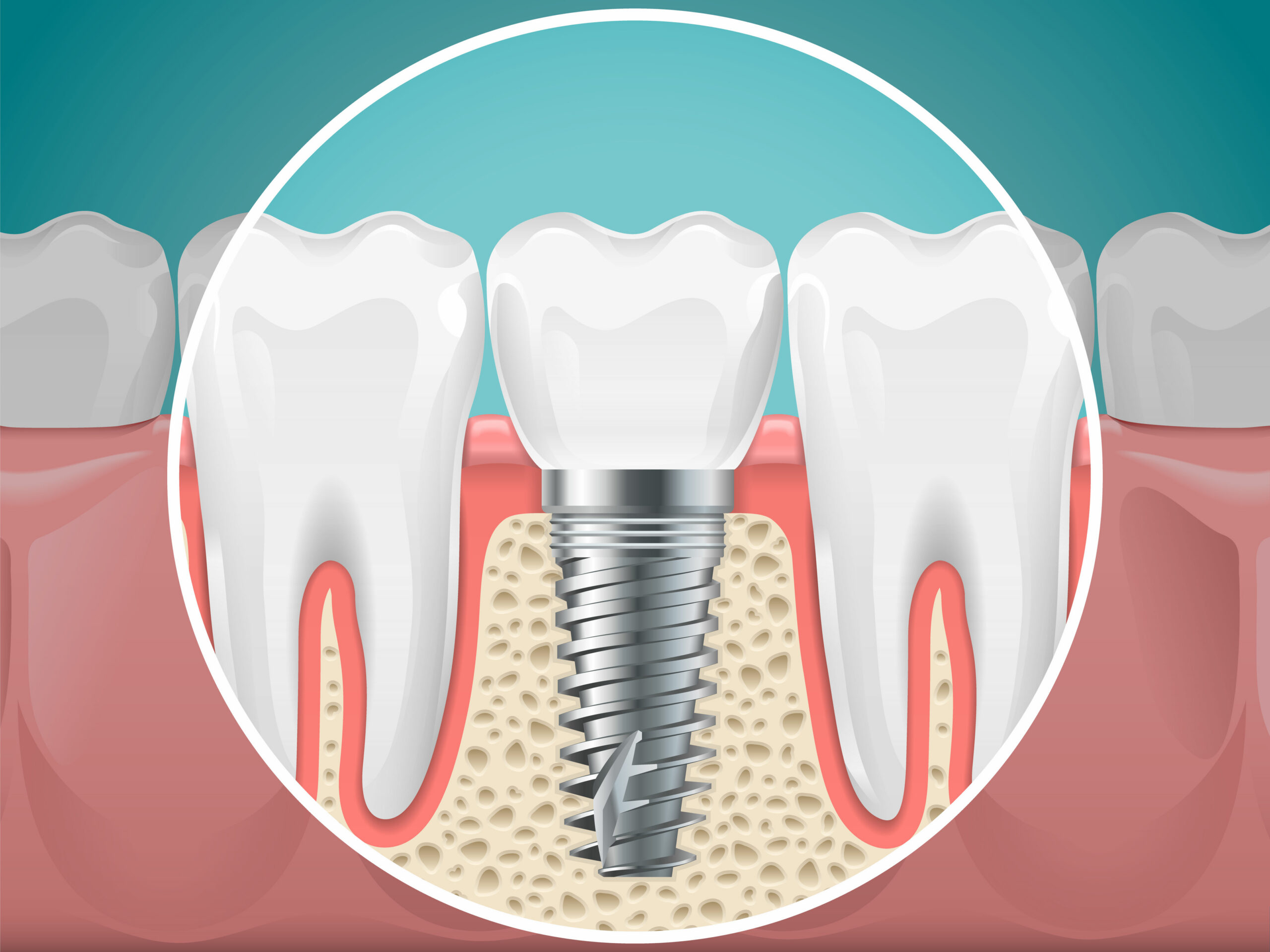
The primary goal of guided tissue regeneration is to restore the bone lost due to periodontal disease. When periodontitis advances, it destroys the alveolar bone, or the ridge of bone that contains the tooth sockets. This bone loss weakens the foundation of your teeth, creating a domino effect of oral health issues. GTR targets this specific problem by creating an environment where new jawbone material can form.
How the GTR Procedure Works
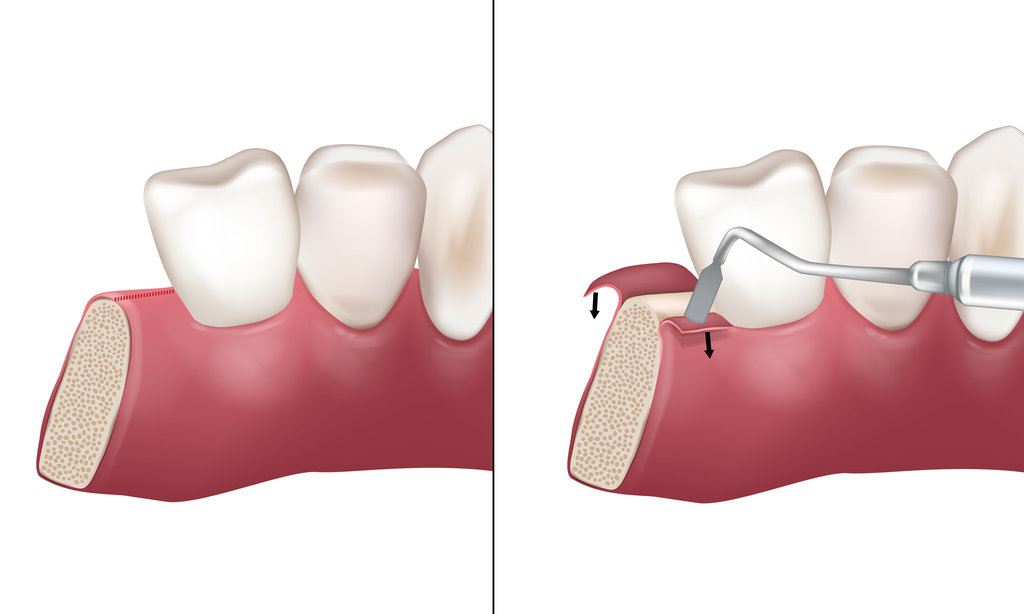
The guided tissue regeneration procedure involves several carefully executed steps, including the following:
- Your periodontist thoroughly cleans the affected area, removing bacteria and infected tissue from the root surfaces and surrounding region.
- A special membrane, or barrier, is placed between your gum tissue and the damaged root surface.
- Bone graft material may be placed in the space where bone was lost to provide a scaffold for new bone growth.
- Your gum tissue is carefully repositioned over the area and sutured into place.
This membrane serves as a protective shield, allowing bone-forming cells to grow in the protected space and generate new bone tissue without interference from faster-growing gum tissue cells. Think of it as creating a protected construction zone where bone builders can work without interruption.
Benefits of Guided Tissue Regeneration
Choosing guided tissue regeneration offers advantages beyond simply treating the symptoms of periodontal disease. This procedure provides a comprehensive solution to bone loss issues. The regeneration of bone tissues offers better support for teeth affected by bone deterioration, improving your long-term outcome. This means you may be able to keep your natural teeth rather than requiring extractions and replacements.
The procedure also helps reduce pocket depths between teeth and gums. These pockets are breeding grounds for bacteria, so reducing them helps prevent future infections and disease progression. By regenerating lost bone, GTR also supports the appearance of your smile by helping prevent the sunken look that can occur with bone loss.
Ideal Candidates for GTR
You may be a candidate for guided tissue regeneration if you exhibit the following qualities:
- You have moderate to severe periodontitis with measurable bone loss
- Your overall health is good enough to support proper healing
- You are committed to excellent oral hygiene after the procedure
- You do not smoke or are willing to quit during the healing process
- You have specific teeth that are worth saving but need additional support
During your consultation, we will evaluate your condition, including the extent of bone loss, your overall oral health, and other factors that might influence the outcome of the procedure.
Recovery and Long-Term Success
Recovery from guided tissue regeneration typically takes several weeks as your body works to regenerate the lost tissue. During this time, you will need to follow specific aftercare instructions to support optimal healing and results.
Immediate Aftermath
Following your GTR procedure, you will need to be gentle with the surgical area. You may be prescribed antibiotics to prevent infection and likely need to use a special antimicrobial mouth rinse. Soft foods are recommended for the first few days, and you should avoid chewing on the side of your mouth where surgery was performed.
The membrane used in GTR may be either resorbable, meaning it dissolves naturally over time, or non-resorbable, meaning it requires removal in a follow-up procedure. Your periodontist will explain which type will be used in your case and what to expect during recovery.
Long-Term Recovery
The long-term success of GTR requires diligent oral hygiene and regular professional cleanings. Many patients see improvements in bone levels and tooth stability within six to nine months after the procedure, though complete healing and regeneration may take up to a year.
How GTR Compares to Other Bone Loss Treatments
GTR is one of several approaches periodontists use to address bone loss, and it is often combined with or considered alongside other bone regeneration techniques depending on the size and location of the defect. A standalone bone graft without a membrane may be appropriate for smaller defects, while GTR is generally reserved for defects where guiding the regrowth of specific tissue types improves the outcome. Your periodontist will recommend the approach best suited to your bone loss pattern after a thorough evaluation.
Cost and Insurance Considerations
The cost of guided tissue regeneration depends on the number of sites treated, the type of membrane and graft material used, and whether the procedure is combined with other treatments. Many dental insurance plans provide partial coverage for periodontal surgery, and our insurance and payment information page outlines what our office accepts. Our team can help you understand your benefits and available payment options before you begin treatment.
Frequently Asked Questions About Guided Tissue Regeneration
Is guided tissue regeneration painful?
The procedure is performed under local anesthesia, so you should not feel pain during surgery. Mild soreness and swelling are common for a few days afterward, and your periodontist will provide pain management guidance along with any needed medication.
How much does GTR cost and is it covered by insurance?
Cost varies based on the number of sites treated and the materials used. Many dental insurance plans offer partial coverage for periodontal surgery, and our team can review your specific benefits and payment options during your consultation.
What is the difference between GTR and a standard bone graft?
A standard bone graft places material to encourage new bone growth, while GTR adds a protective membrane that guides which type of tissue regrows in the treated area. This membrane helps bone-forming cells grow ahead of faster-growing gum tissue for a more complete result.
How soon will I see new bone growth after GTR?
Early healing occurs over the first several weeks, but measurable improvements in bone levels typically appear within six to nine months. Complete regeneration and stabilization can take up to a year, and your periodontist will monitor progress with follow-up visits and imaging.
Can guided tissue regeneration save a tooth that is already loose?
GTR can help stabilize some teeth with mobility caused by bone loss, but success depends on how much supporting bone remains and the pattern of the defect. Your periodontist will evaluate your specific case to determine whether GTR or another treatment gives the tooth the best chance of survival.
Restore Your Smile with Advanced Periodontics of N.J.
Guided tissue regeneration represents a meaningful advancement in treating periodontal disease and its destructive effects. By creating an environment where your body can rebuild lost bone and connective tissue, GTR offers a path toward saving teeth that might otherwise be lost to advanced periodontitis.
At Advanced Periodontics of N.J., our team provides comprehensive periodontal care using current techniques and technologies. We have helped patients throughout River Edge and surrounding New Jersey communities work toward saving their teeth and restoring their oral health through guided tissue regeneration and other advanced procedures. If you are concerned about bone loss around your teeth, visit our contact form to schedule a consultation.