


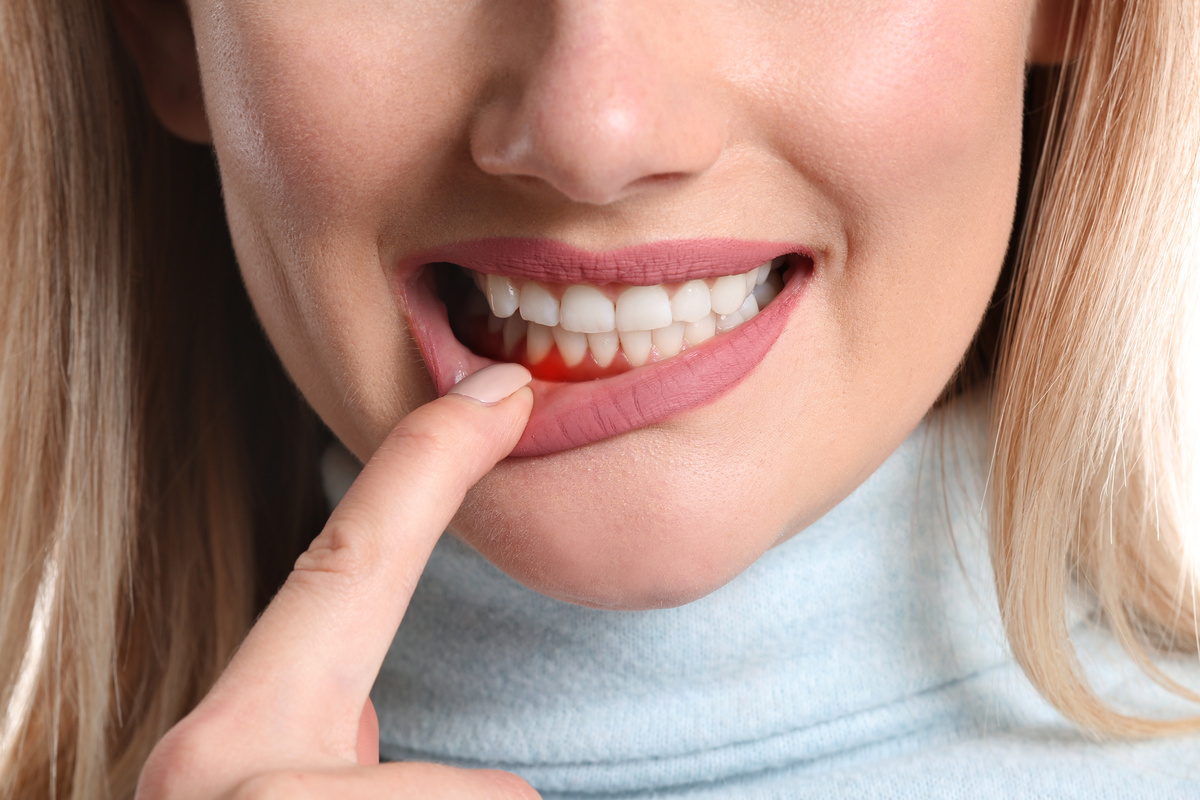


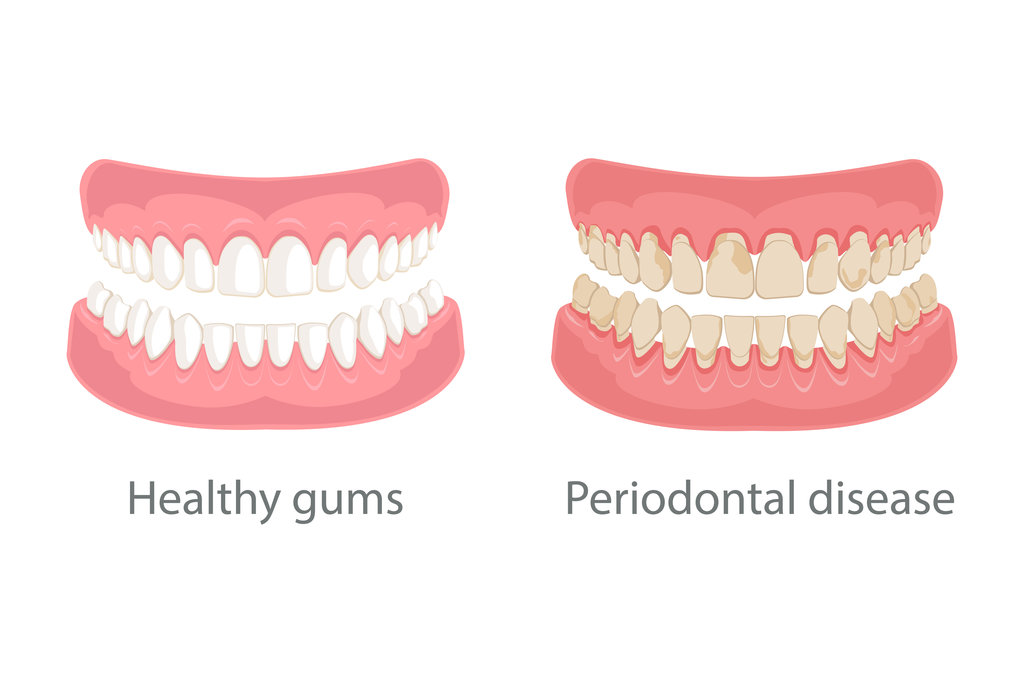
Your gums shouldn’t bleed when you brush. Yet for many adults over 65, tender and bleeding gums have become so common they’re dismissed as just another part of getting older. But gum disease isn’t an inevitable side effect of aging. It’s a treatable condition that becomes more likely as you age due to specific biological and lifestyle changes.
Aging affects your oral health in ways that create a perfect environment for periodontal disease to develop and progress. At Advanced Periodontics of NJ, we help older adults protect their gum health and maintain their smiles through targeted periodontal care.
How Aging Changes Your Mouth
As you age, your body produces less saliva. Dry mouth isn’t just uncomfortable. Saliva neutralizes acids and washes away bacteria, so reduced flow means more bacteria stick to your teeth and gums.
Many medications make this problem worse. Blood pressure pills, antidepressants, and antihistamines often list dry mouth as a side effect. Your immune system also weakens with age, making it harder to fight off the bacteria causing gum infections. The link between gum health and heart disease becomes more critical as you age, with research showing that inflammation in your mouth can affect your overall health.
Why Seniors Face Higher Periodontal Risk
Years of wear add up. Even if you’ve brushed and flossed regularly throughout your life, decades of chewing and grinding create tiny spaces where bacteria can hide. Old fillings may develop gaps. Receding gums expose root surfaces that are more vulnerable to decay and infection.
Arthritis makes daily oral care harder. If your hands hurt or feel stiff, you might not brush as thoroughly or floss as often. Cognitive changes can disrupt routines, and you might forget to brush twice daily. Dietary changes matter too. Softer foods are easier to chew but often stick to teeth more readily.
Common Conditions That Affect Gum Health
Several health issues become more common with age and directly impact your periodontal health:
Diabetes
High blood sugar levels damage blood vessels in your gums, reducing blood flow and making infections harder to heal. People with diabetes are twice as likely to develop gum disease compared to those without it.
Osteoporosis
This bone-thinning condition doesn’t just affect your hips and spine. It can also weaken the jawbone that supports your teeth, making them more susceptible to loosening when gum disease develops.
Heart disease
The bacteria from periodontal infections can enter your bloodstream and affect your cardiovascular system, creating a two-way relationship where each condition may worsen the other.
These overlapping health concerns make periodontal care even more important as you age.
Signs You Shouldn’t Ignore When it Comes to Gum Health
Bleeding gums when you brush or floss signal inflammation. Swollen, red, or tender gums need attention. Bad breath that doesn’t go away after brushing may indicate bacterial buildup below the gum line.
Watch for gums pulling away from your teeth or teeth that feel loose. You might notice changes in how your dentures fit or how your teeth come together when you bite. Pain when chewing or increased tooth sensitivity can also point to gum problems.
Early intervention makes a significant difference. Periodontal care can prevent minor inflammation from progressing to advanced gum disease.
What You Can Do Today For Your Gum Health
Start with the basics. Brush twice daily with a soft-bristled toothbrush and fluoride toothpaste. If arthritis makes brushing difficult, try an electric toothbrush with a larger handle. Floss daily, or use interdental brushes or water flossers if traditional floss is hard to manage.
Drink plenty of water throughout the day to combat dry mouth. Sugar-free gum can stimulate saliva production. Review your medications with your doctor to see if alternatives with fewer dry mouth side effects are available.
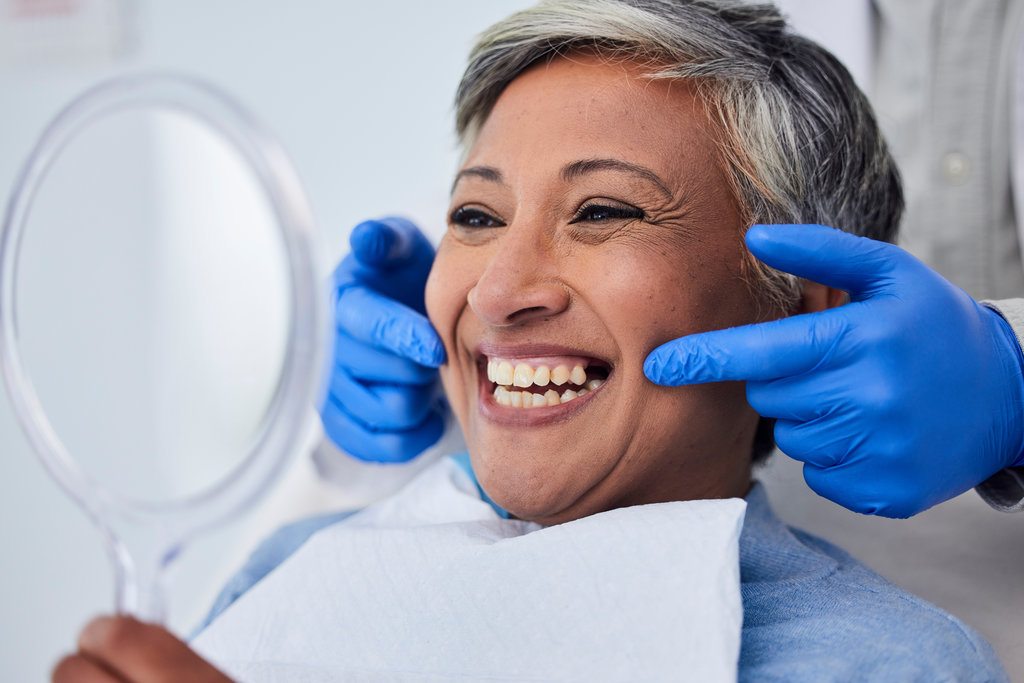
Schedule regular dental checkups. Professional cleanings remove tartar that brushing can’t reach. Your dentist can spot early signs of gum disease before you notice symptoms. If you have diabetes or other chronic conditions, keep them well-managed through medication and lifestyle choices.
How We Help Seniors Maintain Healthy Gums
At Advanced Periodontics of NJ, Dr. Adriana Matei provides comprehensive periodontal care tailored to older adults. Our team knows the unique challenges you face. We offer gentle treatments for bleeding gums and advanced periodontal disease, using proven techniques to restore gum health. Dr. Matei is a faculty member at the University of Pennsylvania School of Dental Medicine and brings research-backed approaches to every treatment plan.
If you’ve noticed changes in your gum health or it’s been a while between periodontal checkups, contact us today. Protecting your gums now helps you keep your natural teeth and maintain your quality of life for years to come.