




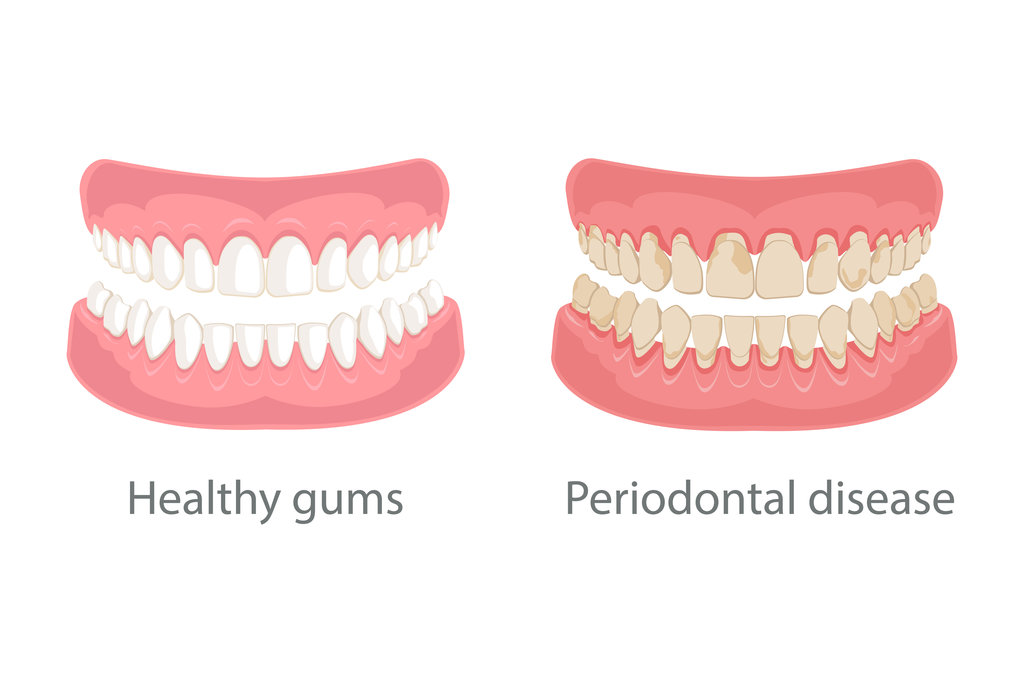


Medicare doesn’t cover most dental care. That simple fact catches many people by surprise when they turn 65 and discover their new health coverage excludes the dental treatments they need. If you’re facing gum disease or need periodontal care, understanding what Medicare does and doesn’t cover can save you from unexpected bills.
Most periodontal treatments fall outside Medicare’s scope, but there are exceptions and alternative coverage options. At Advanced Periodontics of NJ, we help you find practical ways to afford the periodontal care that protects your oral health.
What Original Medicare Covers
Original Medicare Part A and Part B cover very limited dental services. Part A may pay for dental care if you’re admitted to a hospital for another medical condition and the dental procedure is medically necessary. For example, if you need jaw surgery related to a facial injury or cancer treatment, Medicare might cover it.
Part B covers dental exams in specific situations, such as before kidney transplant surgery or heart valve replacement. The coverage exists because oral infections can complicate these procedures. However, routine cleanings, gum disease treatment, and most periodontal procedures don’t qualify.
Medicare doesn’t cover dentures, crowns, bridges, or tooth extractions in most cases. The program focuses on medical care rather than dental maintenance or restoration.
Medicare Advantage Plans and Dental Benefits
Medicare Advantage plans, also called Part C, often include dental coverage that Original Medicare doesn’t provide. These private insurance plans must cover everything Original Medicare does, but many add extra benefits like routine dental care, periodontal treatment, and restorative procedures.
The dental coverage varies widely between plans. Some cover only preventive care like cleanings and exams. Others include more extensive services such as scaling and root planing for gum disease, periodontal surgery, or dental implants. You’ll need to review each plan’s specific benefits and limitations before enrolling.
Watch for annual maximum benefits, waiting periods, and network restrictions. Many Medicare Advantage dental plans cap coverage at $1,000 to $3,000 per year. Some require you to wait six months to a year before covering major procedures.
Standalone Dental Insurance Options
If your Medicare plan doesn’t include dental benefits, you can purchase standalone dental insurance. These policies work separately from Medicare and typically cover preventive, basic, and major dental services.
How Standalone Dental Plans Work
Most dental insurance plans use a tiered coverage structure:
- Preventive care: Usually covered at 100% after you meet any deductible. This includes routine exams and cleanings but may not extend to deep cleanings for gum disease.
- Basic procedures: Covered at 70-80%. This category often includes scaling and root planing, which is the first-line treatment for periodontal disease.
- Major procedures: Covered at 50%. Periodontal surgery, bone grafting, and implant placement typically fall here.
Annual maximums apply to most plans. If you need extensive periodontal treatment, you might reach your plan’s limit quickly. Some plans also impose waiting periods of 6-12 months before covering major procedures.
Alternative Payment Options for Periodontal Treatment
Many periodontal patients pay out of pocket or use alternative financing. Dental savings plans offer discounts on services in exchange for an annual membership fee. These aren’t insurance, but they can reduce costs for periodontal maintenance and treatment.
Health savings accounts (HSAs) or flexible spending accounts (FSAs) let you pay for dental care with pre-tax dollars. If you have either account, you can use it for periodontal treatment, which effectively gives you a discount equal to your tax rate.
Payment plans through your periodontal office can make treatment more affordable. Many practices offer in-house financing or work with third-party medical credit companies. These options let you spread the cost over several months or years.
Questions to Ask Before Periodontal Treatment
Before starting periodontal treatment, clarify what your insurance covers. Call your insurance company and ask specifically about the procedure codes your periodontist plans to use. Get written confirmation of coverage amounts and any requirements like pre-authorization.
Ask your periodontal office about payment options. Some practices offer discounts for paying in full upfront. Others have relationships with financing companies that provide low-interest or interest-free payment plans for qualified patients.
Find out if your insurance requires you to see in-network providers. Going out of network usually means higher out-of-pocket costs, though you may have more freedom to choose your periodontist.
Why Periodontal Treatment Matters
Delaying gum disease treatment because of cost concerns can lead to more expensive problems. Untreated periodontal disease progresses and may require more invasive procedures later. Early intervention typically costs less and produces better outcomes.
Gum disease also affects your overall health. Research shows connections between periodontal infections and conditions like heart disease, diabetes, and stroke. Treating gum problems can improve your general health and potentially reduce other medical costs.
Get Help Understanding Your Coverage at Advanced Periodontics of NJ
At Advanced Periodontics of NJ, Dr. Adriana Matei and Dr. Alin Peto work with patients to find affordable ways to receive necessary periodontal care. Our team can verify your insurance benefits, explain your coverage, and discuss payment options that fit your budget. Dr. Matei serves as a faculty member at the University of Pennsylvania School of Dental Medicine and brings extensive experience to every treatment plan.
If you need periodontal treatment and have questions about insurance or payment options, contact us today. We’re committed to maximizing your insurance benefits and making quality periodontal care accessible.