





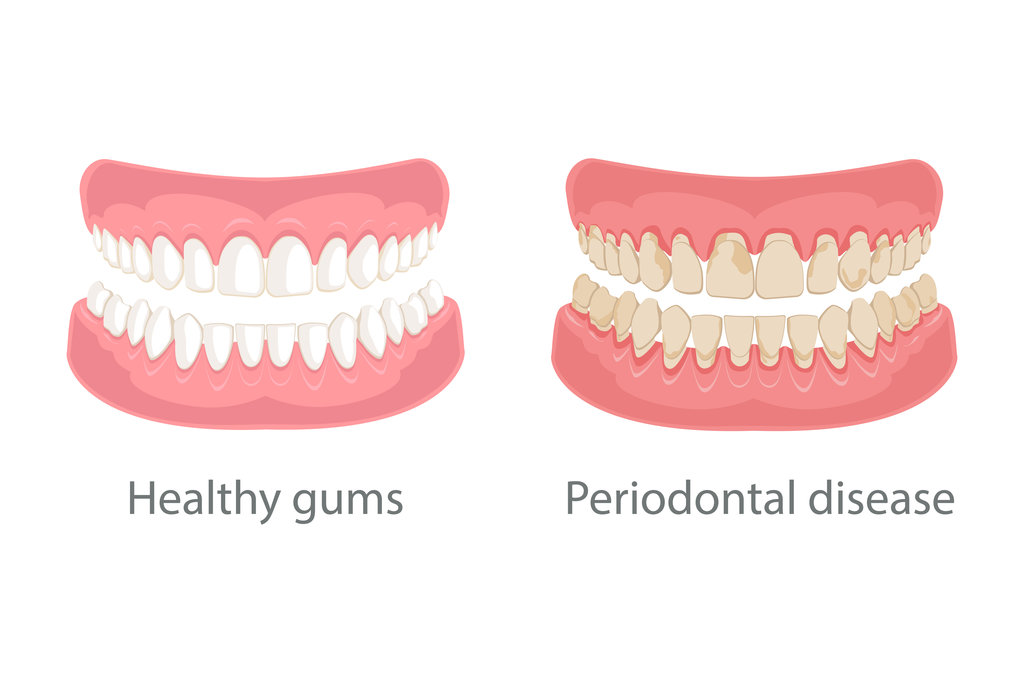

Taking care of your gums plays a larger role in your overall well-being than you may realize. The bacteria and inflammation from gum disease can travel through your bloodstream and trigger serious complications throughout your body. Research shows that older adults with periodontal disease face higher risks for heart disease, diabetes complications, respiratory infections, and cognitive decline. Gum disease treatment addresses oral health concerns and protects your systemic health as you age.
At Advanced Periodontics of N.J., Dr. Matei and Dr. Peto focus on comprehensive periodontal care that recognizes the vital connection between your mouth and your body. With advanced training in periodontics and implant dentistry, our team provides specialized treatments that preserve both your smile and your health for years to come.
The Link Between Gum Disease and Systemic Health
Your mouth serves as a gateway to your body, and periodontal disease creates an entry point for harmful bacteria to reach other organs. When gum tissue becomes inflamed and infected, bacteria can enter your bloodstream and contribute to inflammation throughout your body. This chronic inflammation has been linked to cardiovascular disease, stroke, and other serious conditions. Older adults with periodontal disease may experience worsening symptoms of existing health conditions or face new complications that affect their quality of life.
The inflammatory response triggered by periodontal bacteria doesn’t stay confined to your mouth. Studies show that people with gum disease have higher levels of C-reactive protein and other inflammatory markers in their blood. These markers indicate system-wide inflammation that can damage blood vessels, affect blood sugar regulation, and compromise immune function.
Health Conditions Connected to Periodontal Disease
The effects of untreated gum disease extend far beyond your mouth, impacting multiple organ systems and compounding existing health challenges. The following medical conditions show direct connections to periodontal inflammation and bacterial infection:
Heart Disease and Stroke
Periodontal bacteria can attach to fatty deposits in blood vessels, increasing your risk for clots and blockages. Older adults with moderate to severe gum disease show higher rates of atherosclerosis and may face double the risk of a heart attack compared to those with healthy gums. Inflammatory proteins from periodontal infections can also damage the inner lining of blood vessels, making them more vulnerable to plaque buildup.
Stroke risk increases significantly when periodontal disease goes untreated. Certain bacteria common in gum infections can be found in the blood clots that cause strokes. Managing your periodontal health through regular cleanings and appropriate treatment can reduce these cardiovascular risks.
Diabetes Management
The relationship between periodontal disease and diabetes creates a challenging cycle. High blood sugar levels make it harder for your body to fight gum infections, while the inflammation from gum disease makes blood sugar harder to control. Older adults with both conditions often struggle with wound healing and may experience more severe periodontal symptoms.
Treating gum disease can improve glycemic control. Many patients see improvements in their HbA1c levels after receiving periodontal therapy. The reduction in oral bacteria and inflammation allows your body to use insulin more effectively and maintain more stable blood sugar levels throughout the day.
Respiratory Health
Bacteria from periodontal infections can be aspirated into your lungs, especially during sleep. Older adults already face increased risk for pneumonia and other respiratory infections due to age-related changes in immune function. The additional bacterial burden from periodontal disease can overwhelm your respiratory defenses, leading to serious lung infections.
Maintaining healthy gums becomes particularly important if you have chronic obstructive pulmonary disease or other breathing conditions. Regular periodontal care helps reduce the bacteria in your mouth and lowers your risk for respiratory complications. Professional cleanings remove the biofilm where harmful bacteria thrive, giving your immune system a better chance to protect your lungs.
Cognitive Function
Recent research reveals concerning connections between periodontal disease and cognitive decline in older adults. The bacteria that cause gum disease have been found in the brain tissue of people with Alzheimer’s disease. Chronic inflammation from periodontal infection may contribute to the development or progression of dementia by affecting blood flow to the brain or directly damaging neural tissue.
Protecting your periodontal health may help preserve your cognitive function as you age. The inflammatory proteins released during gum disease can cross the blood-brain barrier and interfere with normal brain function. Early intervention to repair the gums and maintain periodontal health supports both your oral health and mental sharpness.
Schedule Your Consultation at Advanced Periodontics of N.J.
Your periodontal health deserves the same attention you give to managing other aspects of your wellness. As a LANAP-certified clinician with advanced training at NYU and Columbia and a former faculty member at leading dental schools, Dr. Matei provides evidence-based treatments that address the full scope of how periodontal disease affects your overall health. Dr. Peto works alongside her to deliver comprehensive care tailored to the unique needs of older adults.
Our River Edge practice offers flexible payment options, including financing solutions for more extensive procedures. We work with your insurance to maximize your benefits and ensure you receive the periodontal care that protects both your smile and your systemic health. Contact us today to schedule your comprehensive periodontal evaluation and take an important step toward better overall health.