


Losing a tooth changes more than your smile. The moment a tooth comes out, the bone that once supported it starts to shrink, and this process can begin within days rather than months. Left unaddressed, this bone loss can make future dental implants more complicated and less predictable, which is why timing matters so much when protecting your jaw after an extraction.
At Advanced Periodontics of N.J., Dr. Matei and Dr. Peto perform ridge preservation immediately following extractions to prevent this bone loss before it starts. This proactive step helps patients throughout Bergen County maintain a strong foundation for the restorative options they may want down the road, including dental implants.
How Tooth Extraction Affects Your Jawbone
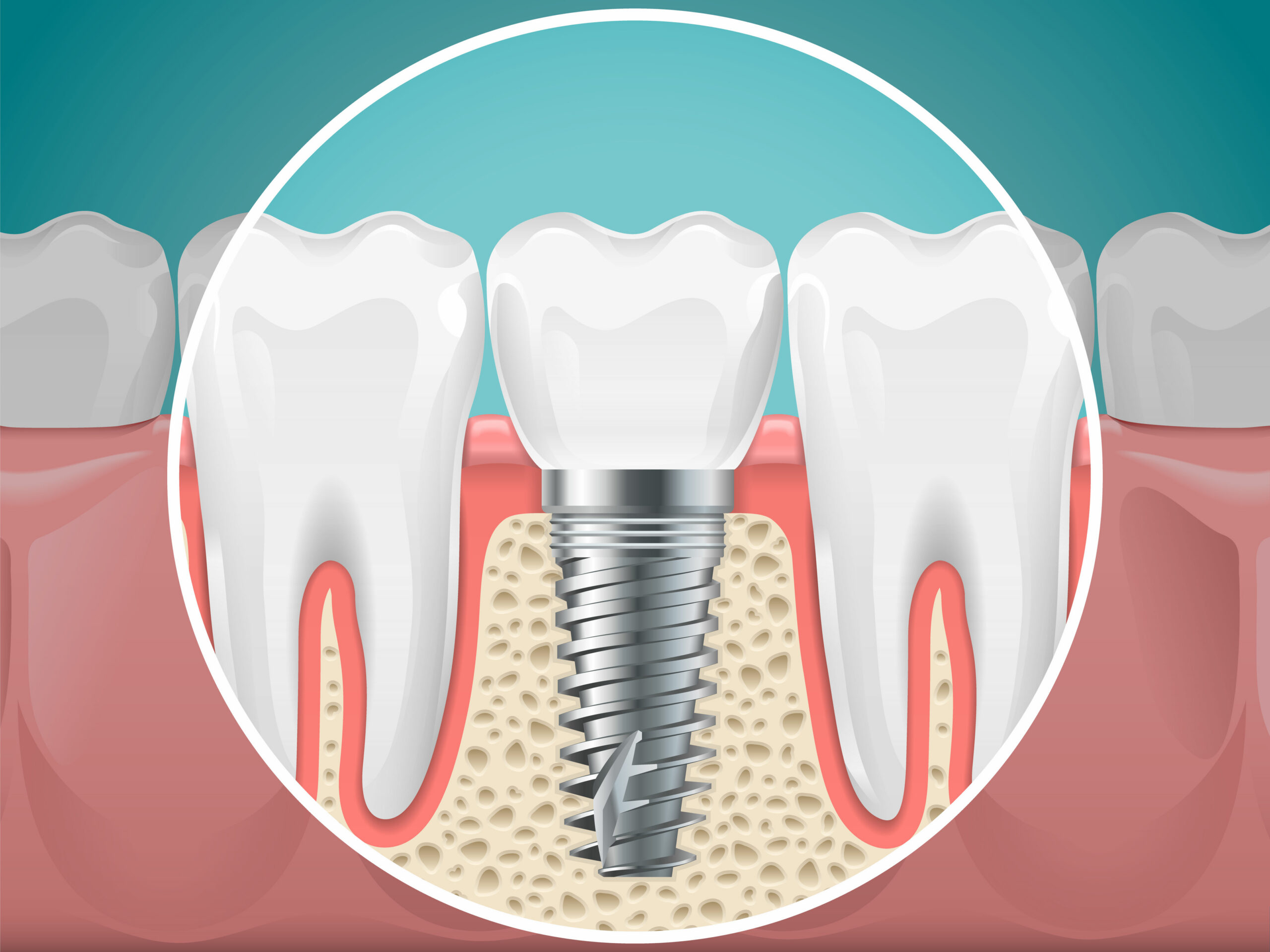
Your jawbone relies on the roots of your teeth for stimulation. Once a tooth extraction takes place, that stimulation disappears, and the surrounding bone begins to resorb almost immediately. Research published through the National Institutes of Health has found that alveolar bone can lose between 29% and 63% of its width and between 11% and 22% of its height within the first six months after extraction alone. This kind of shrinkage does not just affect the appearance of your smile. It can also reduce the amount of bone available for an implant, sometimes requiring additional grafting procedures later on.
Waiting to address this loss often means facing a smaller, weaker ridge by the time you are ready to restore the tooth. In some cases, this shrinkage can also affect the fit of a denture or bridge, not just an implant, because the shape of the underlying bone influences how well any restoration sits against the gum line. Addressing the socket immediately after extraction, rather than waiting for symptoms of bone loss to appear, gives you a much better starting point for whatever comes next.
What Happens During Ridge Preservation?
During ridge preservation, we place a bone graft material directly into the empty socket right after the tooth is removed. This graft acts as a scaffold, encouraging your body to fill the space with new, healthy bone rather than letting the socket collapse inward. A protective membrane is often placed over the graft to keep it secure and to guide the tissue as it heals.
This procedure works closely alongside our bone and sinus grafting services, because some patients need additional support depending on how much natural bone remains. Combining these approaches early can significantly reduce the complexity of implant placement later.
Healing After the Procedure
Most patients recover from ridge preservation much like they would from a standard extraction, with some added swelling in the days that follow. We typically recommend a soft diet for the first several days and provide clear instructions on caring for the graft site while it settles. The graft site is usually given several months to heal and mature before any further treatment begins. During this time, we monitor the area to confirm the bone is developing as expected and that you are ready for the next stage of treatment when the time comes.
Who Benefits Most From Immediate Ridge Preservation?
Ridge preservation is not only for patients who already know they want a dental implant. It also benefits anyone who wants to keep their future options open, because bone loss can limit choices even for patients who are still deciding on a long-term solution. Several situations tend to call for this approach, including the following.
- Patients planning to replace a tooth with an implant at any point in the future
- Patients extracting a tooth in a visible area where jawbone shape affects appearance
- Patients with thin bone walls who are at higher risk of significant resorption
- Patients who may need extra time before deciding on a permanent replacement option
Addressing these situations at the time of extraction, rather than after bone loss has already occurred, tends to lead to simpler and more predictable outcomes. Patients who later notice ongoing issues with an existing implant may also want to learn how early bone loss can contribute to complications well after the initial procedure.
Ridge Preservation With Advanced Periodontics of N.J.
Dr. Matei brings advanced training in implantology as an ITI Scholar along with a background teaching at Columbia University College of Dental Medicine, while Dr. Peto adds further depth to a team focused on protecting your long-term oral health. Together, they approach every extraction with an eye toward what comes next, so your jawbone is set up for success rather than left to resorb on its own.
If you have an upcoming extraction or want to understand your options for preserving your jawbone, our team is ready to walk you through the process and answer your questions. You can reach out to schedule a consultation and take the first step toward protecting your smile for years to come.